Photo: Collected
“Vietnam - Timeless charm” has been a slogan of the Vietnam tourism industry which explains perfectly why this country is always among the top allure places to go for outbound tourism.
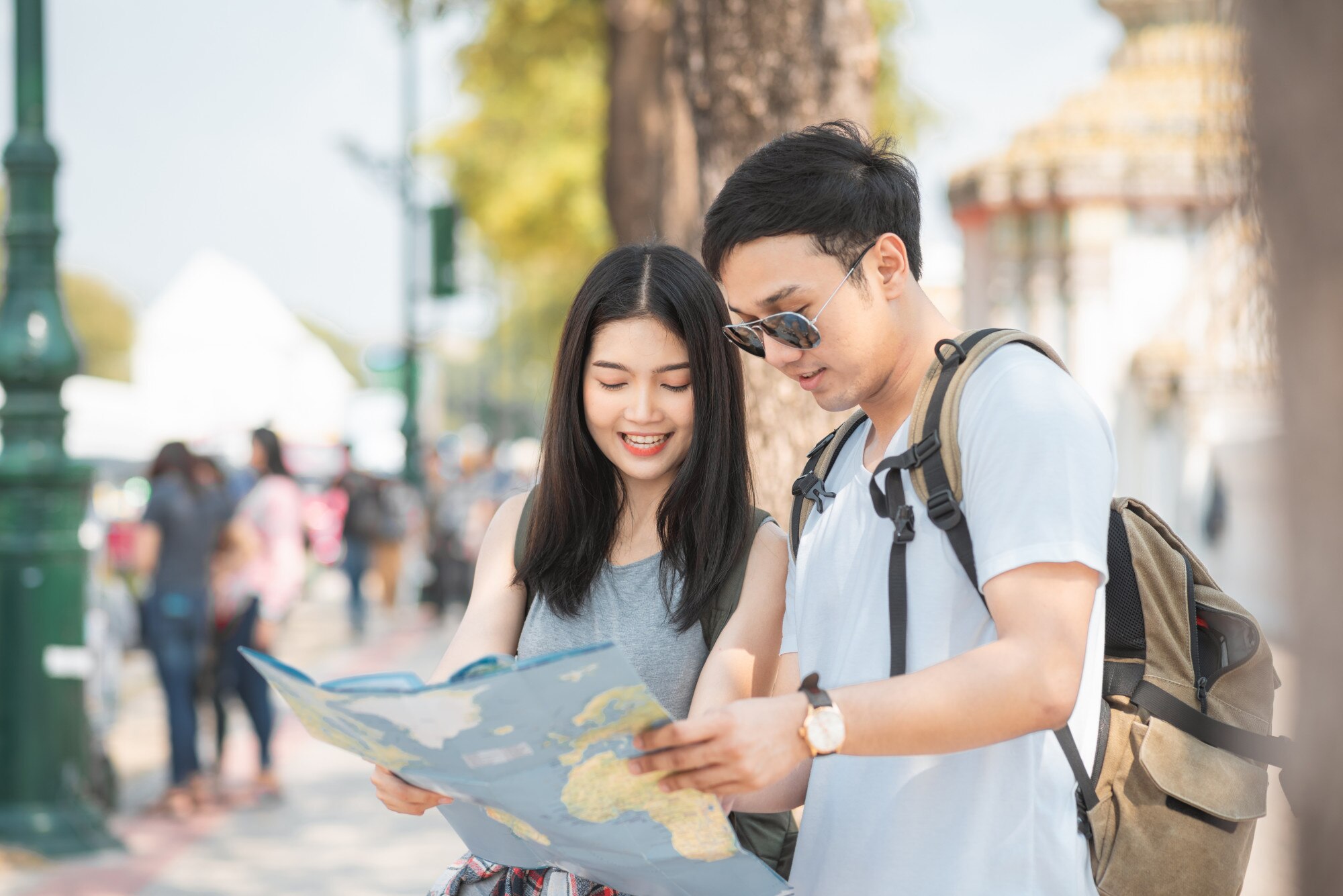
It’s exciting to travel abroad but it is confusing and scary at the same time, considering all the things you must know from Vietnam visa requirements to transportation. Don’t worry! Let us be your guide and we can plan the most ideal trip together!
The first introduction: What Vietnam offers
Referred to as a tourism rising star in Southeast Asia, Vietnam can easily take your breath away with its seamless combination of traditional and contemporary beauty. From the magnificent millions of limestones of Ha Long Bay to stunning terraced fields in Ha Giang, and to the majestic feelings of Hue Imperial City, every landmark promises to give you an unforgettable experience.
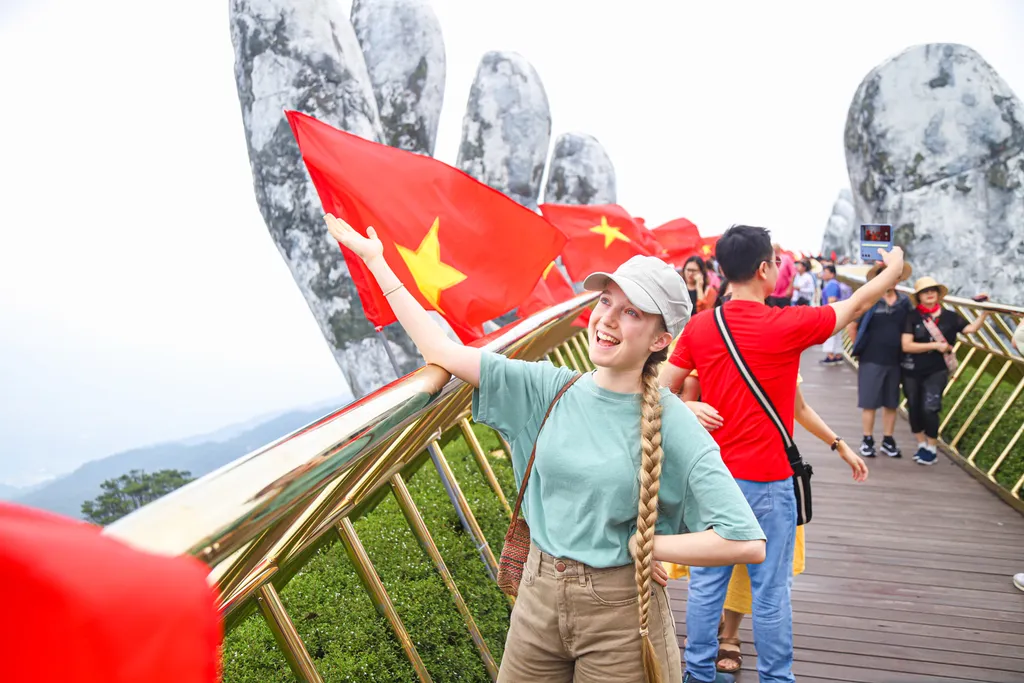
Photo: VnExpress
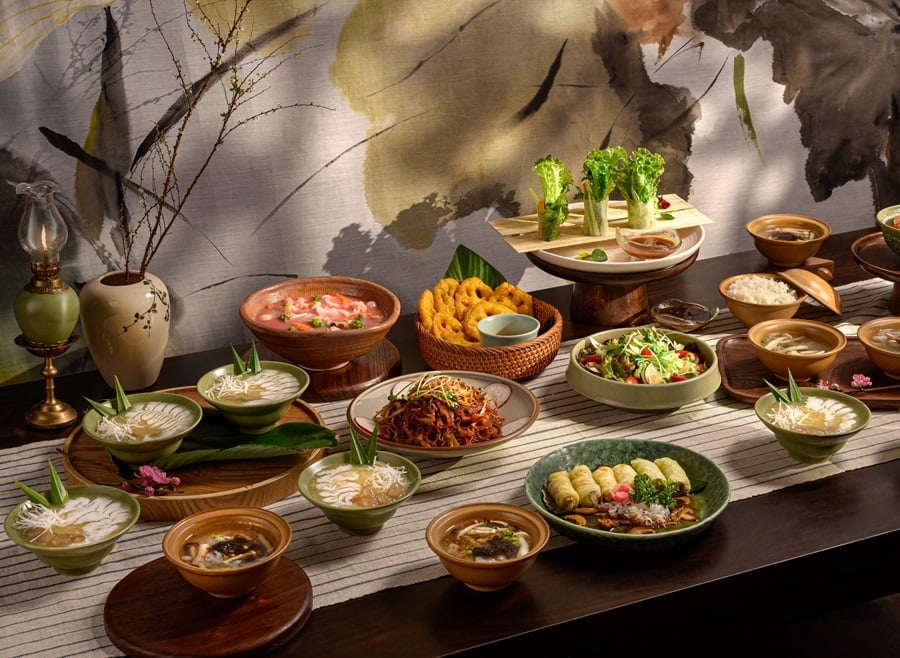
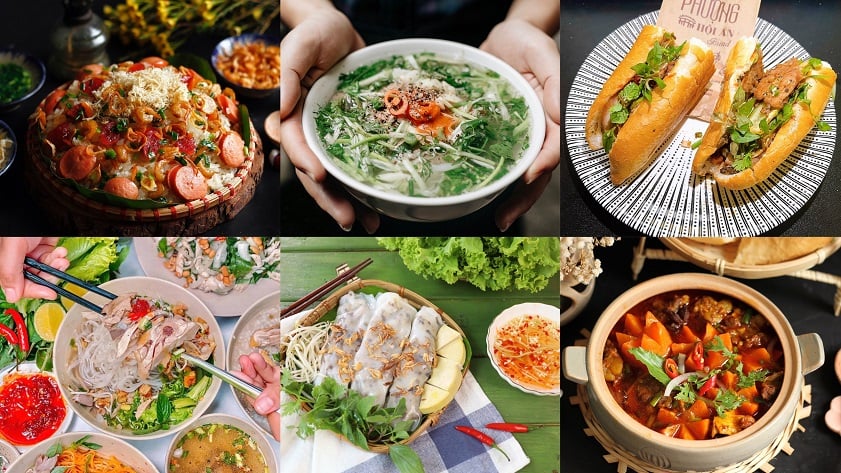
Vietnam’s rich culture is also dedicated to its delectable cuisine. Pho, Banh mi, or Goi cuon have marked Vietnamese culinary signatures with refreshing and flavorful tastes. They have received tons of internationally acclaimed reviews by both gourmet food critics and casual taste buds.
Above all, when traveling to Vietnam, you are welcomed by the hospitality of the Vietnamese people, the friendliness fills in the air which makes you feel at home.
Altogether, tourist attractions, food, people, and other elements of Vietnamese culture create one of the best journeys which will definitely leave a lasting impression on you.
What are Vietnam visa requirements?
Our company has customized the verification tool to check your Vietnam visa eligibility. Please kindly check here with Vietnam-immi.Org.
Foreigners can visit the Vietnam Embassy at their home country or apply for Vietnam eVisa or Visa On Arrival, either way at your convenience.
At the arrival port of Vietnam, please adhere to the entry requirements such as,
You have to hold valid permanent residence cards, temporary residence cards, visas, OR visa exemption certificates;
You have to present all required documents in compliance with your visa application method;
Round-trip tickets or onward tickets to another country;
Not subject to the entry ban or restriction on entry into Vietnam;
Follow the rules of bringing goods overseas.
How to get to Vietnam?
By Plane
Taking a plane is undoubtedly one of the most popular methods for travelers to set foot in Vietnam, as some of the aviate operational practices are quite similar in any country’s airports such as booking a ticket, boarding a flight, and getting through an immigration process, etc.
There are 13 international airports in Vietnam, which include three major gateways - Noi Bai International Airport (Hanoi), Tan Son Nhat International Airport (Ho Chi Minh City), and Da Nang International Airport (Danang). In case of getting Visa On Arrival (have your passport stamped), you are only eligible to enter the country via international airports.
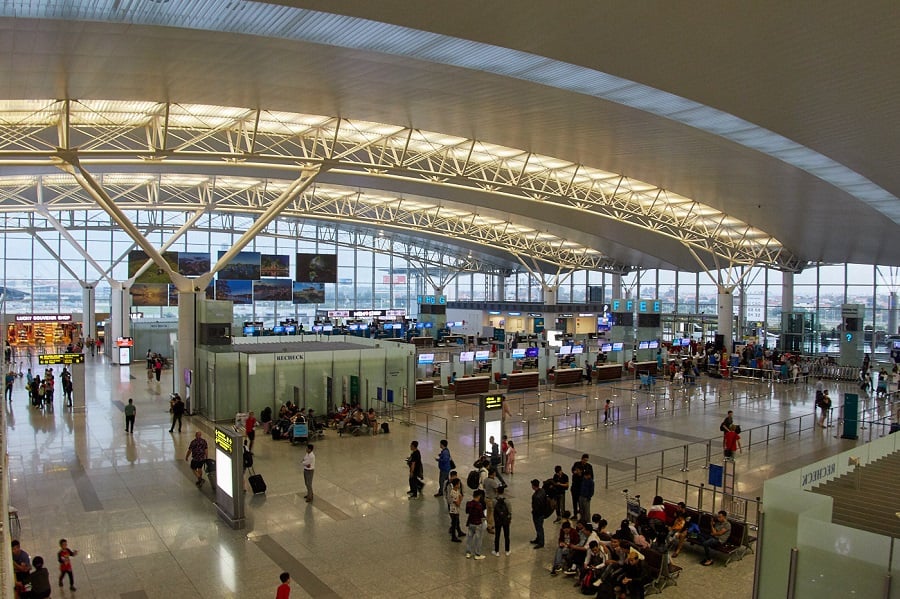
Noi Bai International Airport (Source: Collected)
After the Covid-19 pandemic, Vietnam has been actively signing and expanding unilateral and bilateral diplomatic ties with other countries, which in turn increases more direct flights from foreign nations to Vietnam. However, international visitors can also take an indirect flight for a cheaper price, transiting in Singapore or Hong Kong, etc.
Many international aviation carriers have operated one-way, return, or open-jaw flights for their customers, you can use search engines on websites of travel agencies or airlines such as Vietnam Airlines, Vietjet Air, Tiger Airways, Korean Air, etc for more details.
By Bus/Train
Although flying is known to be quick and convenient, it is unfortunately exclusive of the sightseeing privileges to beautiful regions in a route as when traveling by bus or train. With that being said, the neighboring countries of Vietnam. which are mainland China, Laos, and Cambodia, can take advantage of its new routes and services. For example, Chinese citizens can cross the border at Lao Cai, Thanh Thuy, Dong Dang near Lang Son, and Mong Cai (Quang Ninh).
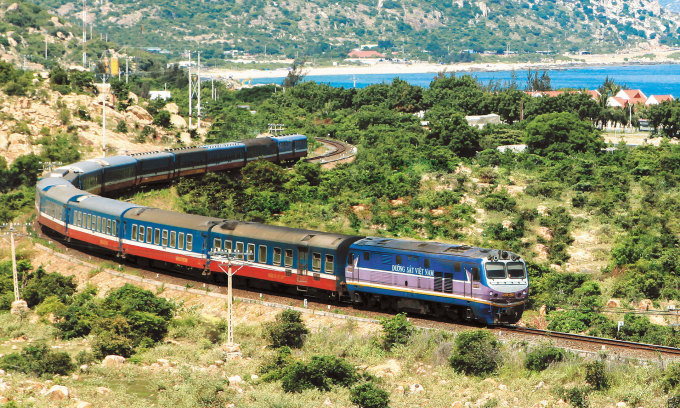
Photo: VnExpress
It is essential to get your passport ready when purchasing train or bus tickets, and you should definitely check out the facilities and prices on their websites in advance. Besides, there are some routes that local and international buses can carry out their services, thus you may need to prepare a visa or meet certain entry/exit requirements.
By Boat
Opting for boat travel is an excellent choice for those seeking a unique experience. Vietnam is a coastal country with a 3.260 kilometers shoreline, which allows 13 sea border gates to welcome international visitors with eVisa. From Cambodia, foreigners can use a 4-hour ferry service to Chau Doc in the Mekong Delta, and enter the country via Ho Chi Minh City ports. Besides, boat journeys take you through Vietnam's most picturesque destinations, including Halong Bay, the Mekong Delta, and other beautiful locations.
Where do I stay in Vietnam?
Vietnam offers a variety of accommodation choices from hotels, guesthouses, and resorts to homestays that foreigners can access information easily via the Internet. Nowadays, travelers use international booking services a lot such as Airbnb, Booking.com and Traveloka as well.
If you go on tour with Vietnamese locals, it is a relief that they have already settled everything for you.
On the other hand, if you travel to Vietnam by yourself, we highly recommend booking accommodation before arriving.
Hanoi will simultaneously surprise, charm and chew you up. Founded along the Red River, Hanoi was named Thang Long (soaring dragon) by Emperor Ly Thai To in 1010. Over a thousand years of war, natural disasters and new administrations, the city grew from swamplands into the charismatic capital it is today. Take in details of the ancient architecture, battle the barrage of millennials on motorbikes and drink fresh bia hơi in the Old Quarter. Here are 11 must-see stops in Hanoi.
Ho Chi Minh Mausoleum
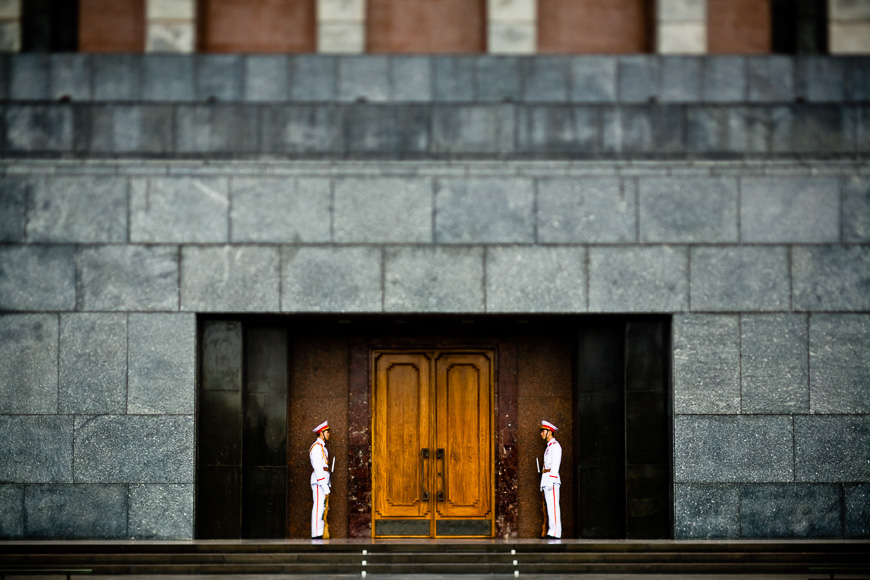
Soldiers stand guard the entrance of Ho Chi Minh's Mausoleum.
This commanding construction was built from 1973 to 1975 to house the embalmed body of Vietnam’s greatest political leader, Hồ Chí Minh. Visitors and Vietnamese queue for hours every morning to pay their respects to the cadaver, dressed in a khaki wardrobe and encased in a glass sarcophagus.
Admission: 35,000 VND
Hours: 8am - 11am, Tue-Thu, Sat-Sun (December to September) last entry at 10:15am
Address: So 1, Hung Vuong, Dien Bien, Ba Dinh
One Pillar Pagoda
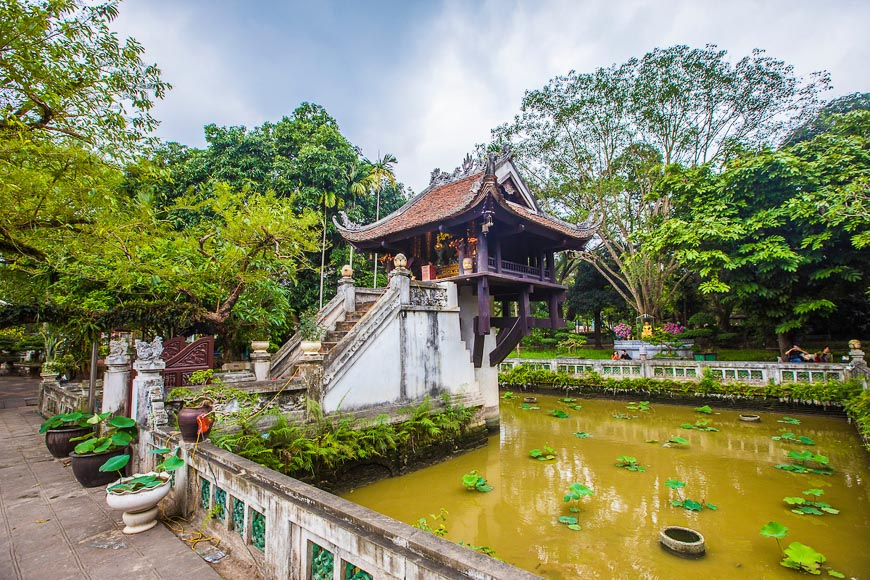
The unique one pillar pagoda in the middle of a lotus pond.
This Buddhist wooden pagoda was built in the middle of a lotus pond on a single stone pillar by the Emperor Ly Thai To in 1049. Archives suggest it was built in honor of the Goddess of Mercy, who answered the Emperor's prayers for a male heir. The structure is designed to resemble a lotus flower blossoming from muddy waters, a symbol of purity in Buddhist philosophy.
Admission: 25,000 VND
Hours: 8am - 11:30am everyday, and 2pm - 4pm, Tue-Thu, Sat-Sun
Address: Chua Mot Cot, Doi Can, Ba Dinh
The Old Quarter
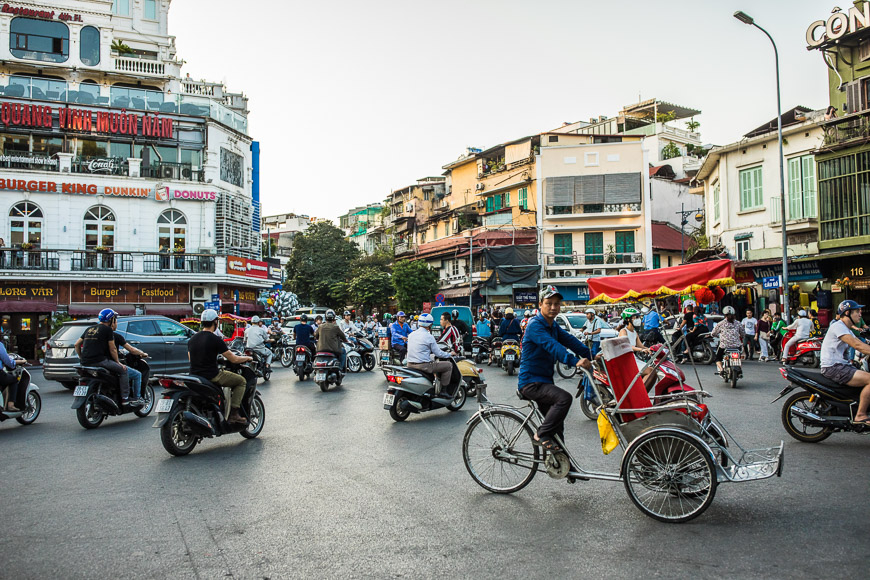
At the top of Hoan Kiem Lake, Dinh Tien Hoang 'roundabout' is a great starting point for exploring the alleys of the Old Quarter.
Hanoi’s historic Old Quarter is a single square kilometre comprised of 36 streets. Since the 15th century, each street has been home to artisans and craftsmen who traded in the specific merchandise for which their street was named. Today, the charm of these streets still remains. Prepare to marvel as you wander from silver street to bamboo street, silk street to decoration street, all within a stone's throw of each other.
TIP: At night, head down to bia hơi corner (the intersection between Ta Hien and Luong Ngoc Quyen) to sample sensational street food and bargain brews.
Admission: Free
Hours: 7am to midnight
Address: North of Hoan Kiem Lake
Hanoi Opera House
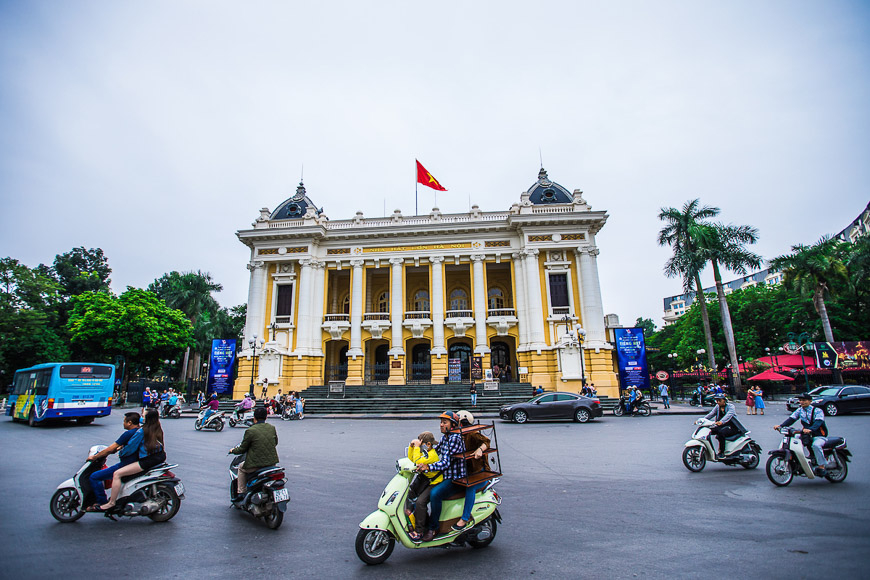
The Opera House is at the edge of Hanoi's French Quarter, where a few colonial buildings have been well preserved.
Constructed at the turn of the 20th century, this beautiful colonial building is the largest theater in Vietnam. After nearly 100 years of operation, the Opera House was carefully refurbished in 1997 and equipped with state-of-the-art facilities. Today the venue attracts renowned performers, productions and musicians.
TIP: Culture lovers should book tickets to see 'My Village' at the Opera House. This impressive showcase combines acrobatics, traditional dance and music.
Admission: 300,000 VND
Hours: Check the website for performances
Address: So 01, Trang Tien, Hoan Kiem
Vietnamese Women's Museum
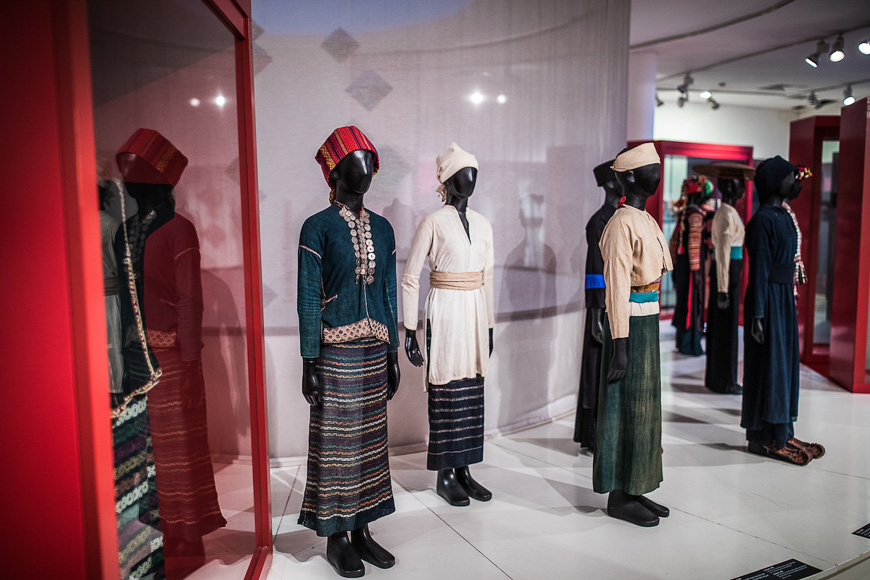
This museum boasts a floor on textiles of ethnic groups, women's crucial role in wartimes and even their practices as mediums of the 'Mother Goddess' worship.
The Vietnamese Women’s Museum is one of the most modern museums in Vietnam. Housing a series of excellent exhibitions presenting artefacts, costumes, crafts, memoirs,and photographs from the past 100 years, the museum reveals the pivotal role of Vietnamese women in their country's history and society.
Admission: 30,000 VND
Hours: 8am - 5pm, Tue-Sun
Address: 36 Ly Thuong Kiet, Hang Bai Ward, Hoan Kiem
The Water Puppet Theatre
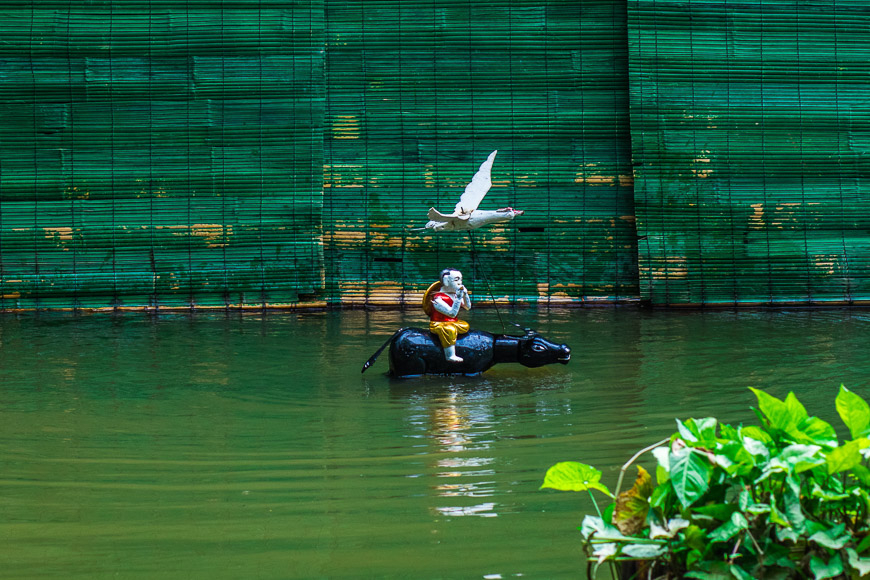
Live music is always performed alongside the puppeteering with traditional instruments and delicate vocals.
Dating back to the 11th century, water puppet performances are ideal for light entertainment and insight into Vietnamese folklore. Wading around in waist-deep water holding bamboo poles, puppeteers operate the lacquered wooden characters from behind a screen, reenacting scenes from rural village life.
Admission: 100,000 VND
Hours: 3:30pm, 5pm, 6:30pm, 8pm, 9:15pm every day, and an additional performance on Sundays at 9:30pm
Address: 57b Dinh Tien Hoang, Hoan Kiem
Hoan Kiem Lake
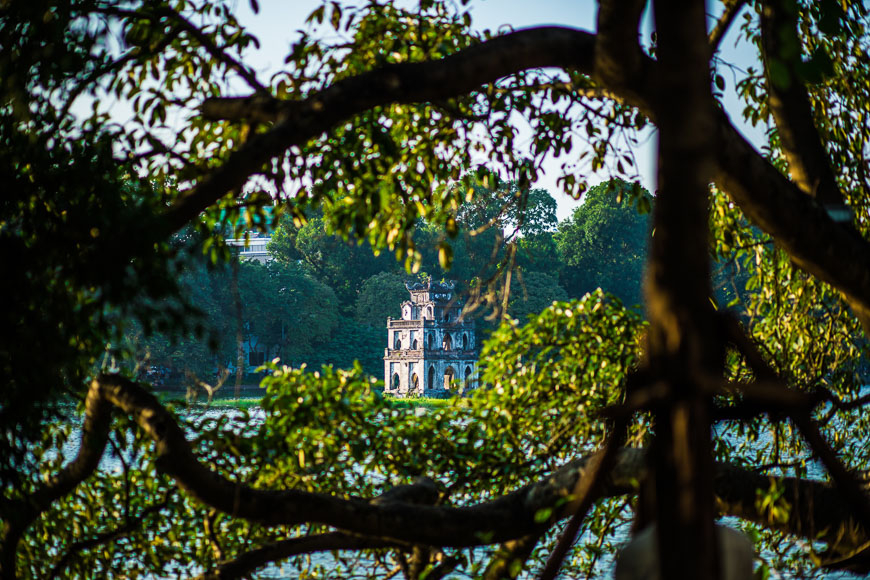
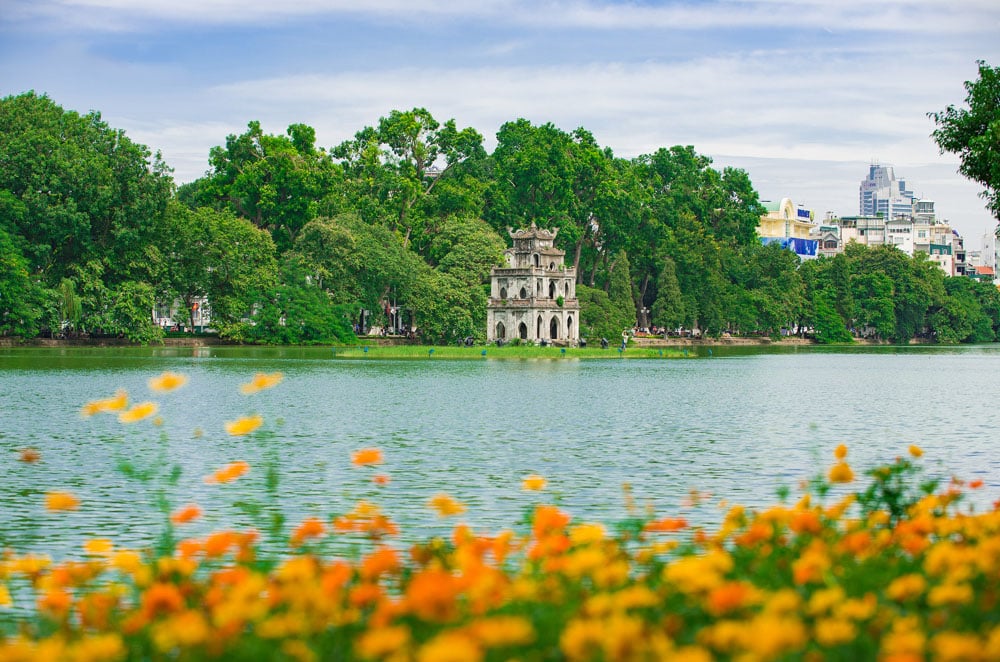
Turtle Tower rests at the centre of 'the Lake of the Restored Sword.
Legend says Emperor Ly Thai To was gifted a magical sword by a giant golden turtle who lived in the lake in order to defeat the Ming dynasty. Once victorious, Ly Thai To gave the sword back to the turtle who dove down to return the sword to the gods. Hoan Kiem Lake is admired for its beauty as well as insight into the daily life of Hanoians. Watch locals practicing their daily exercise and Tai Chi routines in the gardens by the water's edge.
Admission: Free to the general public
Hours: Open all day
Ngoc Son Temple
The Ngoc Son Temple, or The Temple of the Jade Mountain, is situated on a small tree-sheltered island on the north side of Hoan Kiem Lake. Connected by a stunning scarlet bridge, this classic Vietnamese structure was built in honour of the intellectual scholar Saint Van Xuong, and national hero General Tran Hung Dao. In 1884, the Confucian scholar made a series of renovations to the site, including adding parallel sentences (câu đối) or word puzzles to the walls.
Admission: 20,000 VND
Hours: 7:30am - 5:30pm, every day
Address: Hoan Kiem Lake
Temple of Literature
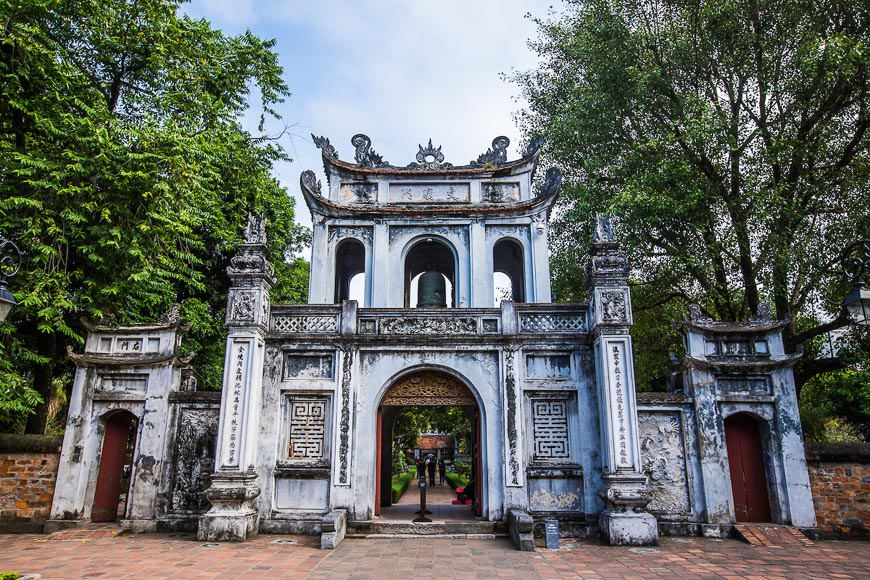
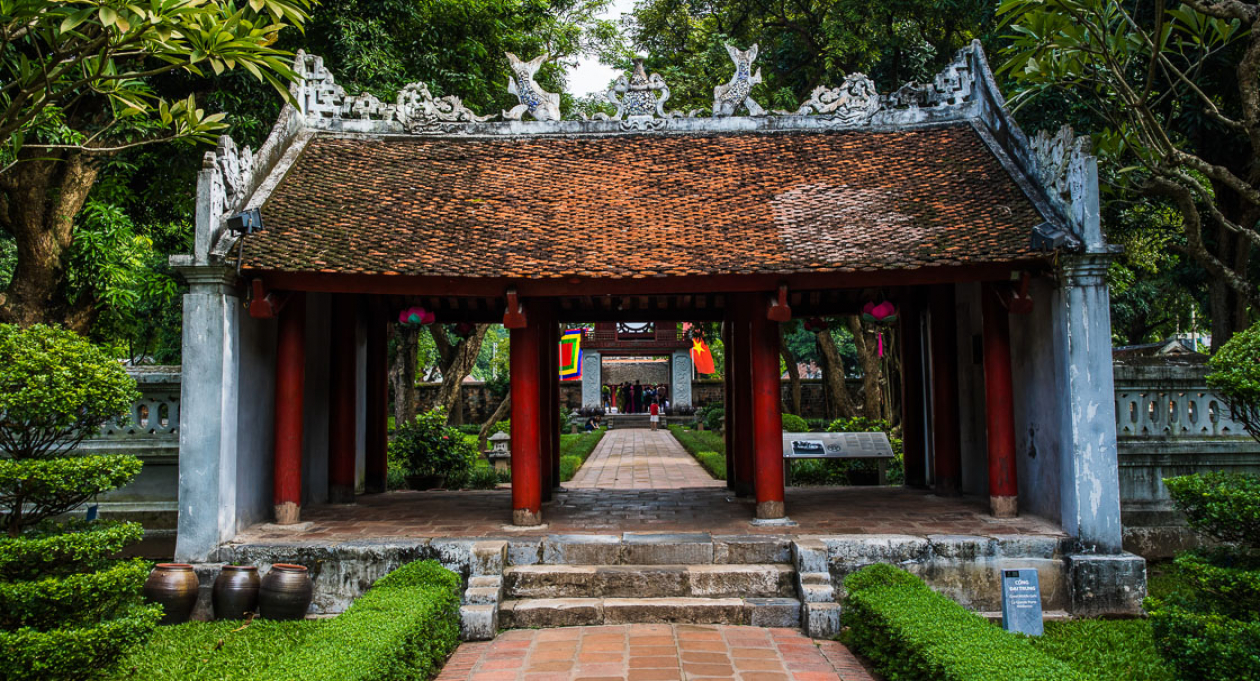
The main gate of the nation's oldest university, be sure to visit during lunch time to avoid crowds.
Built by Emperor Ly Thanh Tong during the Ly dynasty, the Temple of Literature (Văn Miếu in Vietnamese) was erected in honour of the philosopher Confucius and his disciples in 1070. In 1076, it became home to Hanoi’s first university, Quốc Tử Giám. The site is one of the oldest in Hanoi and a national symbol of Vietnamese education and architecture. Today, the temple houses five court yards, records of Vietnamese scholars, and statues of turtles which are said to bring students good luck in their exams.
Admission: 30,000 VND
Hours: 8am - 5pm, from November until March; 7:30am - 6pm for the rest of the year, Tue-Sun
Address: 58 Quoc Tu Giam, Dong Da
Museum of Ethnology
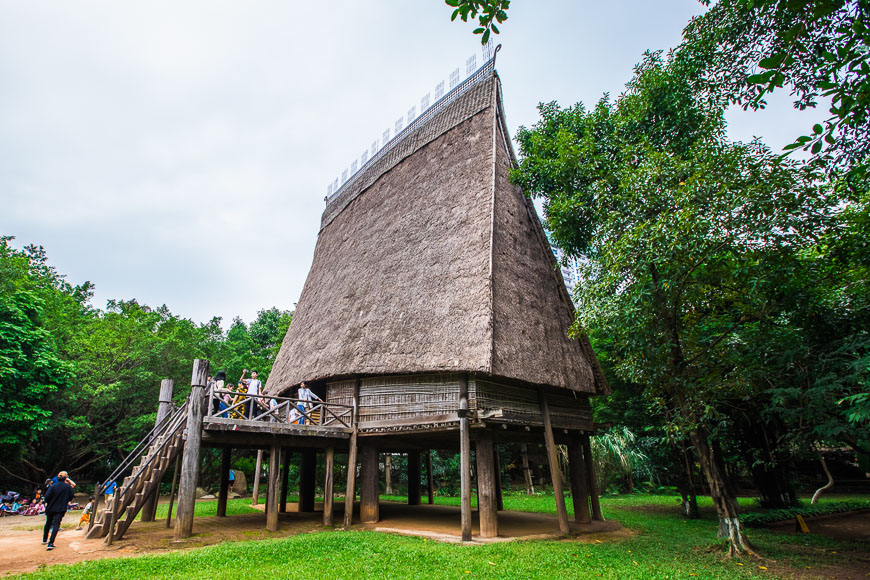
The gardens feature traditional structures, including the communal houses of the Bahnar or Giarai ethnic groups which can reach up to 30 metres high.
This amazing museum examines the everyday life of Vietnam's 54 ethnic minorities. Designed by ethnic Tay architect Ha Duc Linh and French architect Veronique Dolfus, the museum hosts three main exhibition areas. Exhibitions display cultural costumes, handicrafts, videos and artefacts; while the outdoor space showcases impressive life-size replicas of ethnic architecture.
Admission: 40,000 VND
Hours: 8:30am - 5:30pm, Tue-Sun
Address: Nguyen Van Huyen, Nghia Do, Cau Giay
Saint Joseph's Cathedral
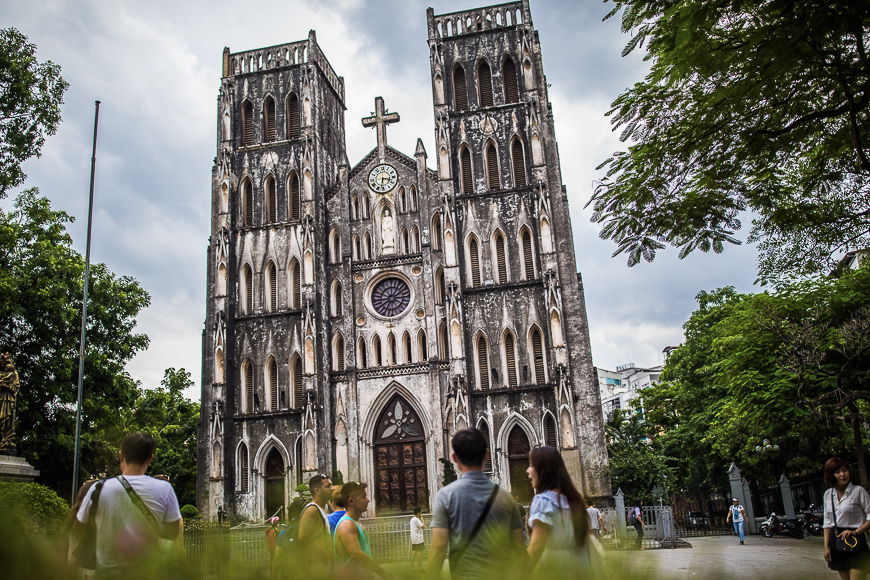
The cafes by the Cathedral are a perfect spot to watch the bustle of Hanoi.
Saint Joseph’s Cathedral (also known as Hanoi Cathedral), was built on the site of the Bao Thien Tower, which was the most famous landmark in the capital during the Ly Dynasty. The architect was inspired by the Neo-Gothic style of the Notre Dame de Paris. When visiting, expect to see a multicultural crowd of worshippers and plenty of Vietnamese newlyweds having romantic photo shoots.
Admission: Free
Hours: 8am - noon, 2pm - 6pm, every day
Address: 40 Nha Chung, Hoan Kiem
Source: Vietnam Tourism
Last update: Thursday October 09, 2025
Travelers from around the world are falling in love with Vietnam — and not just for its stunning landscapes, delicious cuisine, and rich culture. Many of them are also raving about the smooth and supportive experience they’ve had with our Vietnam visa help services.
Whether you're a first-time visitor or a frequent explorer of Southeast Asia, obtaining the right visa is crucial for a worry-free trip. Based on countless Vietnam visa service reviews and real customer testimonials, we've identified the top 5 reasons why travelers consistently rate us among the best Vietnam visa services available.
1. Fast and Hassle-Free Processing
One of the most common things travelers highlight in our Vietnam visa service reviews is our speed. In a world where travel plans can change in an instant, speed and reliability matter.
We offer:
Express processing for urgent travel needs
E-visa assistance with step-by-step guidance
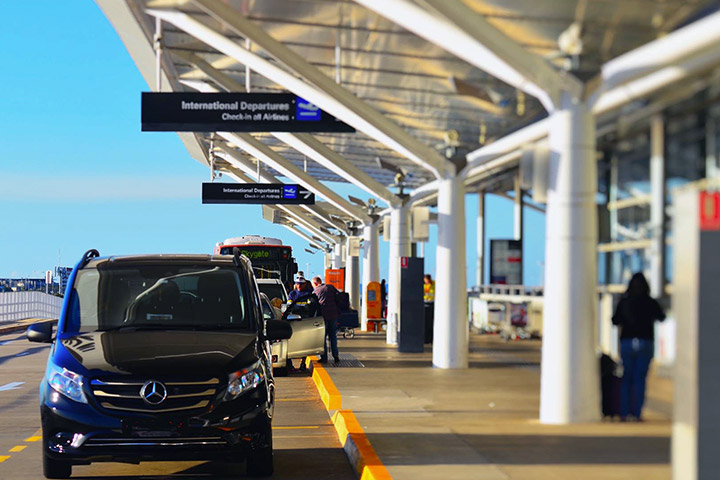
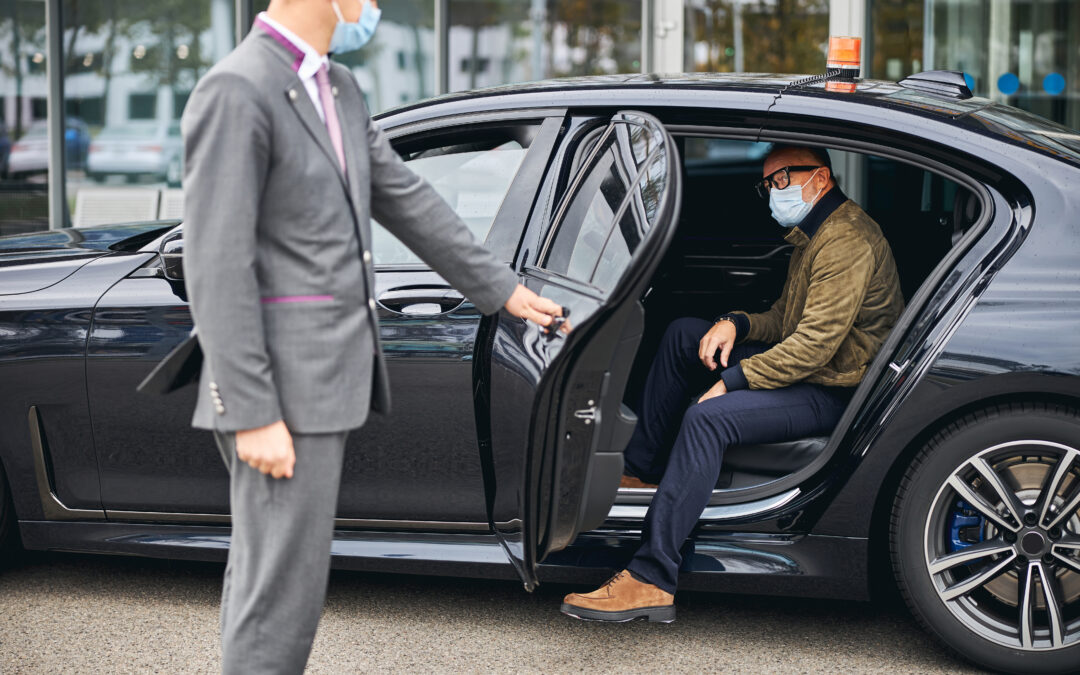
Airport services with smoothly transit
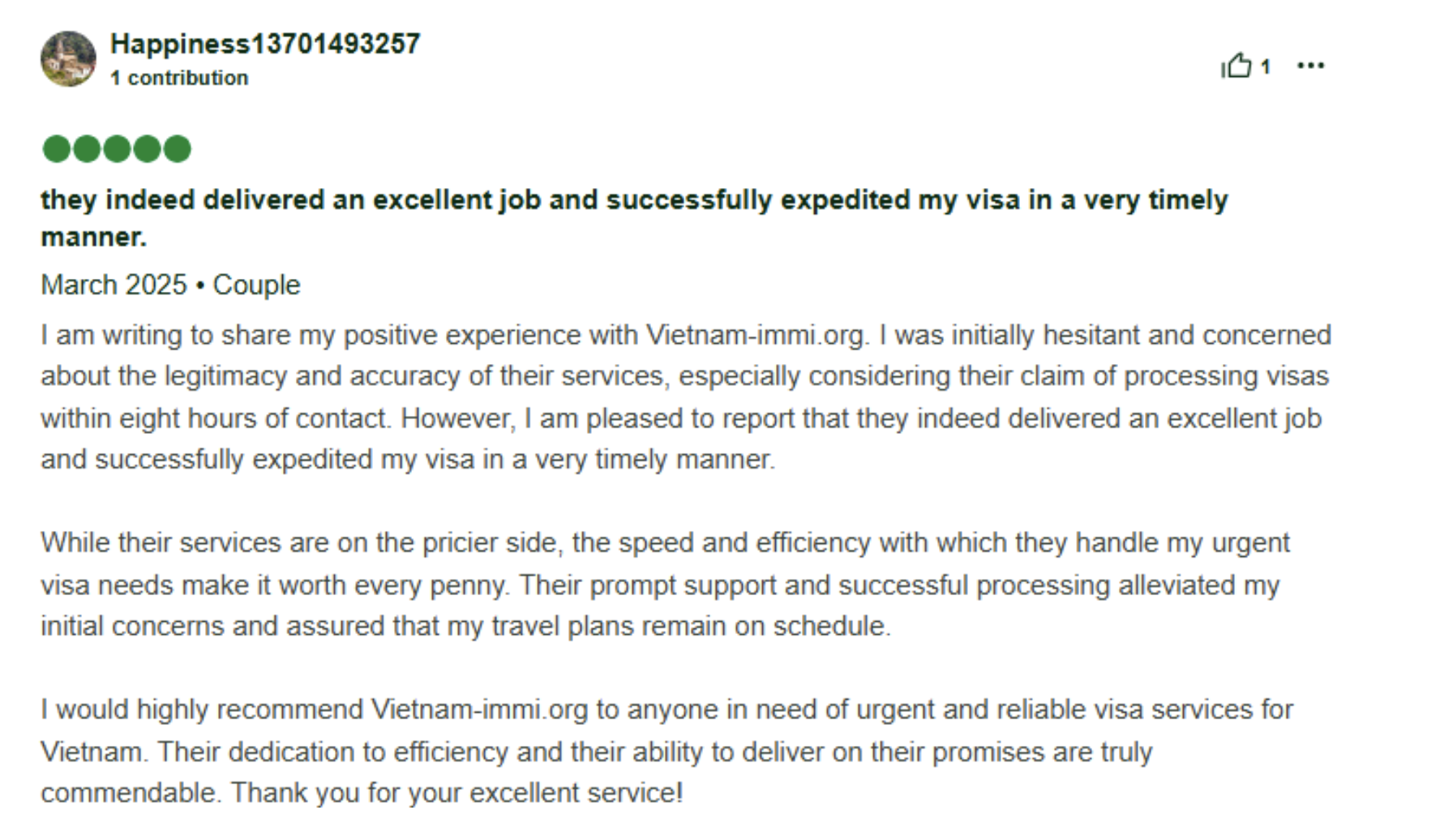
Real Customer Feedback from Tripadvisor (5/5 ratings).
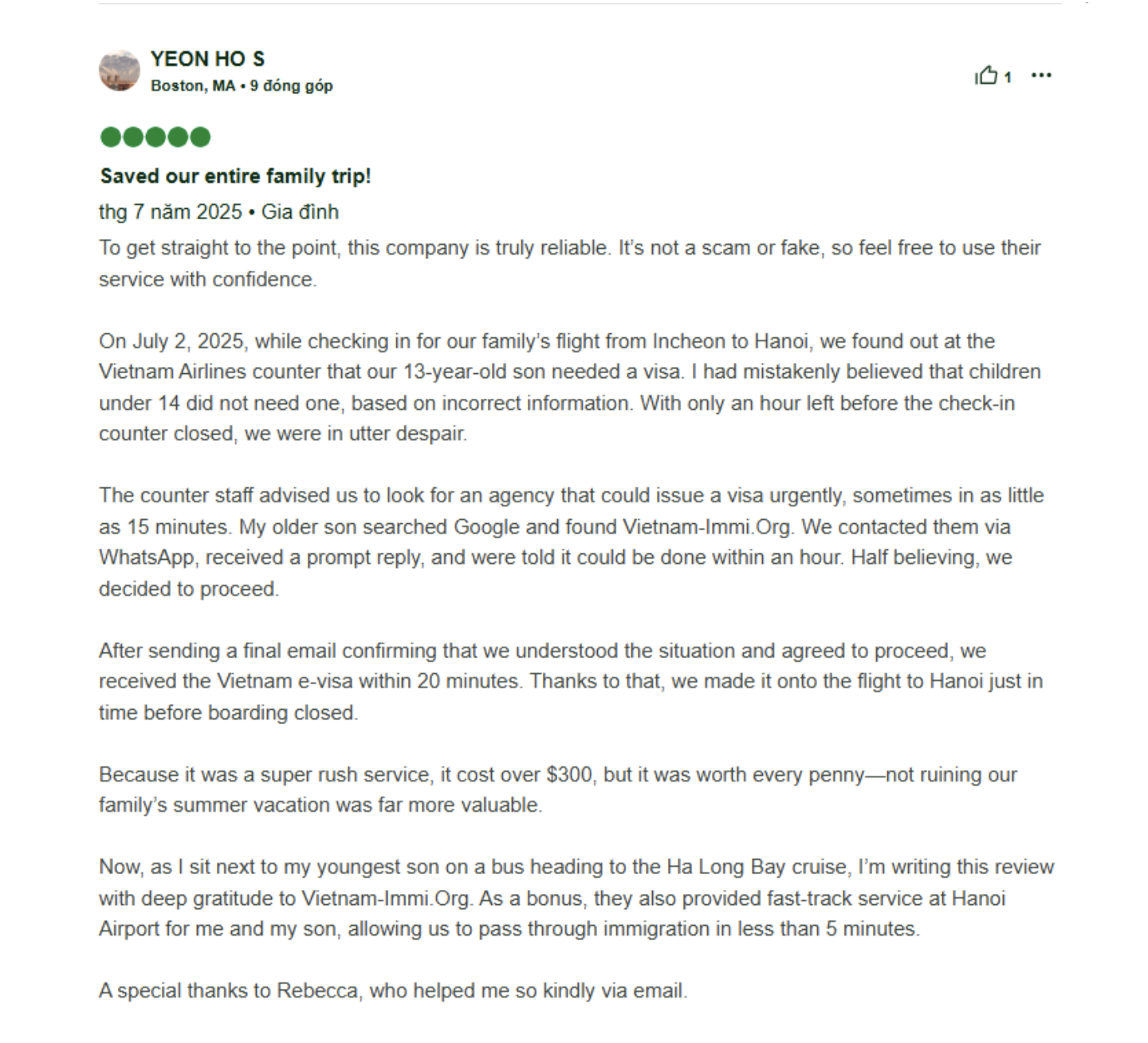
2. Friendly and Professional Support Team
Our commitment to exceptional customer care is one of the top reasons we’ve become the top-rated Vietnam visa support for tourists. That’s why we built a team that speaks your language — literally and culturally.
What our support includes:
24/7 live chat and email assistance
English agents ready to assist you
Clear answers to complicated visa-related questions
One customer shared their experience, praising how quickly and efficiently our team handled their request, ensuring a smooth and stress-free process from start to finish.
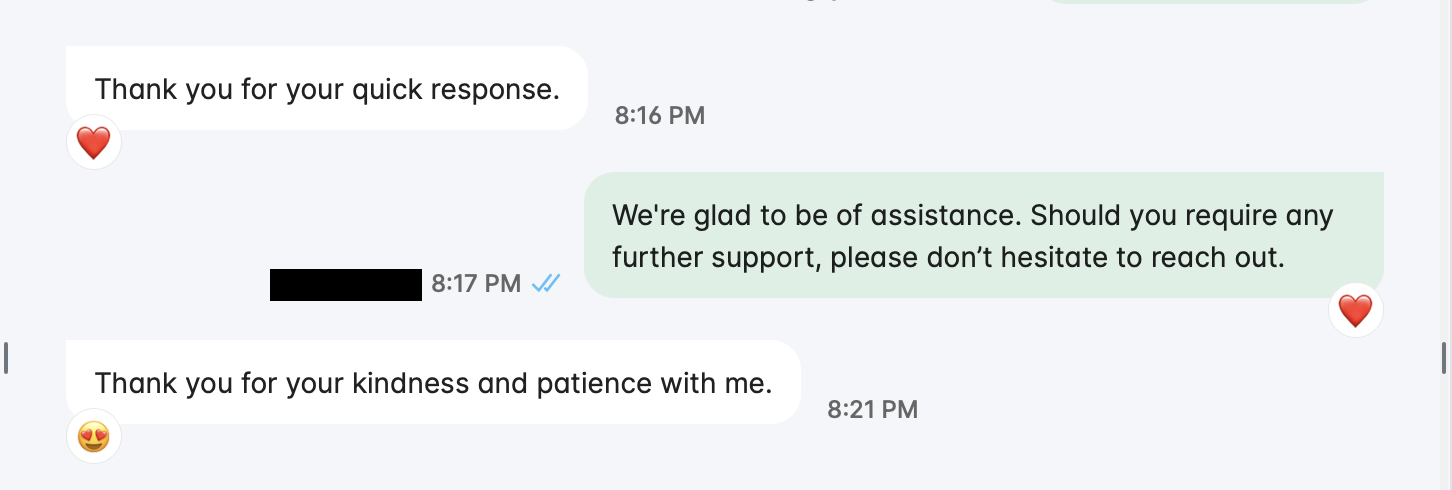
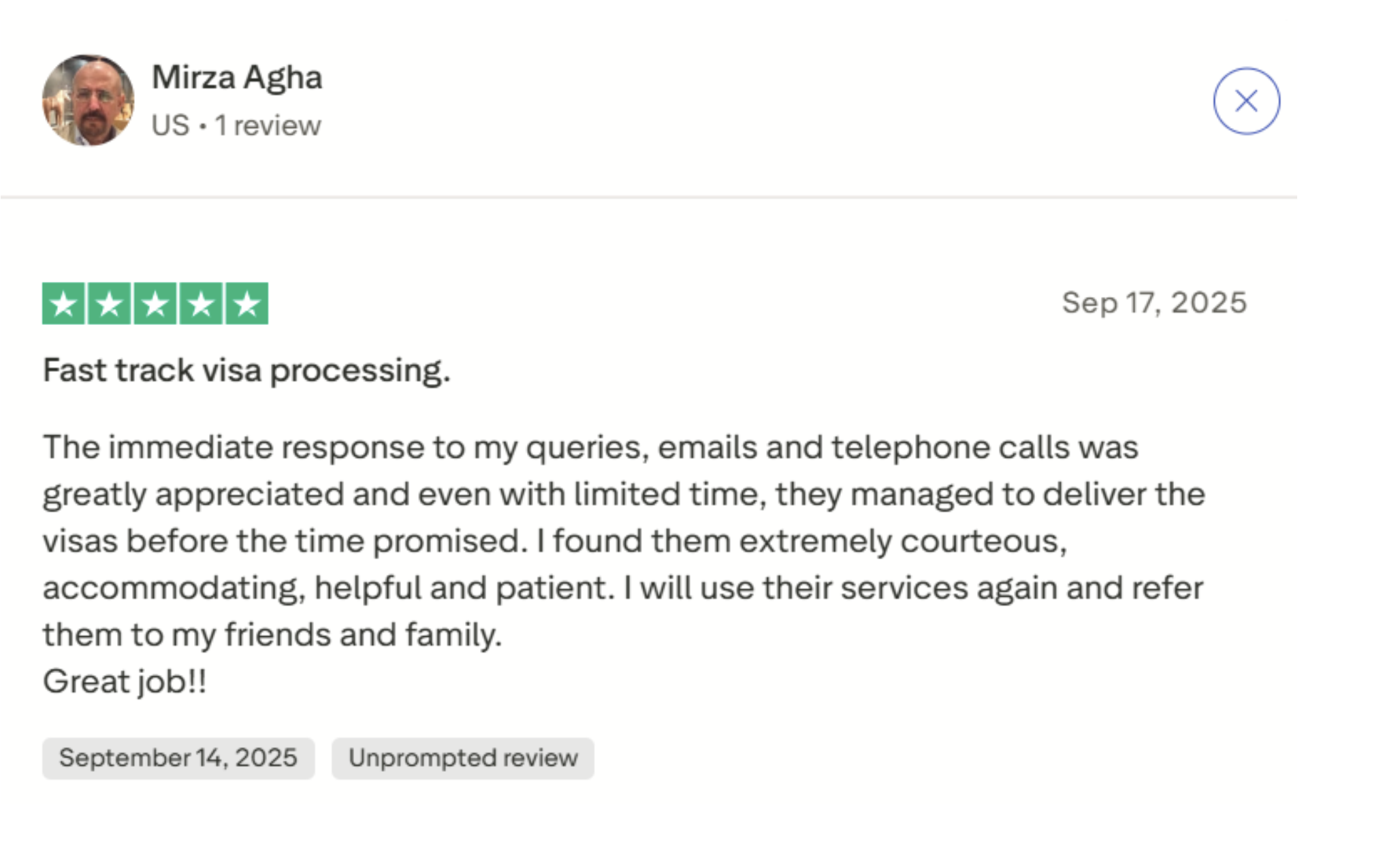
 We are so grateful and proud to be recognized for our quick response and attentive support
3. Transparent Pricing – No Hidden Fees
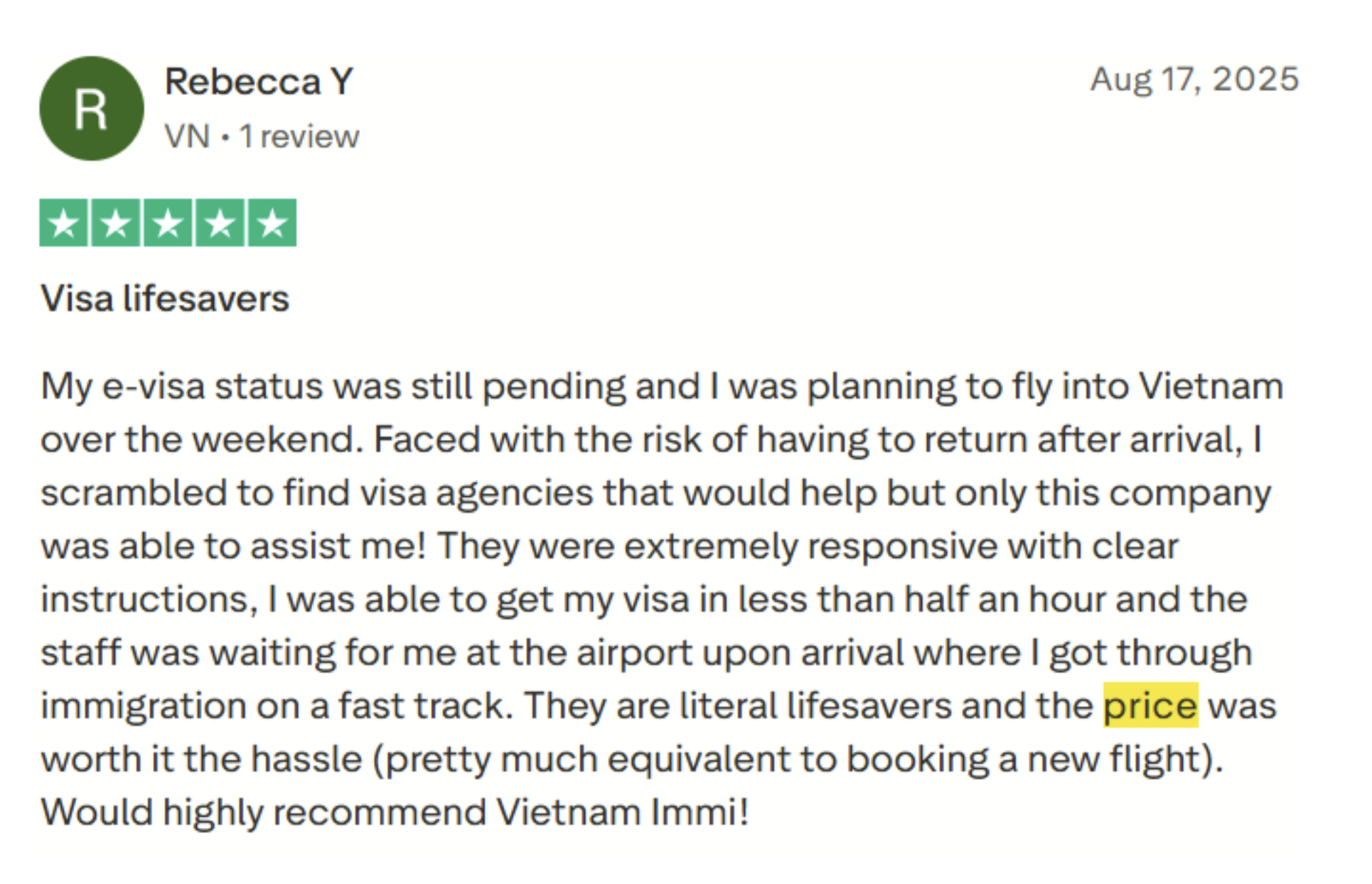
Travel budgeting is hard enough without surprise charges. That's why we pride ourselves on offering transparent and competitive pricing. Many travelers note in their customer testimonials for Vietnam visa services that our fees are straightforward, with no hidden costs.
We provide:
Clear breakdowns of fees based on visa type
No last-minute add-ons or rush charges (unless requested)
Honest advice on what’s really necessary for your trip
Real Customer Feedback:
4. Trusted by Thousands of Travelers Worldwide
We’re proud to have helped thousands of tourists, business travelers, and digital nomads get their Vietnam visas with ease. That reputation is backed by hundreds of 5-star Vietnam visa service reviews across platforms like Google, Trustpilot, and social media.
Our reputation is built on:
Consistent positive customer experiences
High approval rates for visa applications
Repeat clients who trust us every time they visit Vietnam
With so many agencies offering visa services, you might wonder: what makes ours different?
Here’s a quick summary:
Global support: We serve travelers from 100+ countries
All visa types covered: Tourist, business, e-visa, and more
High satisfaction rate: Verified 5-star Vietnam visa service reviews
Human-centered approach: We're not just a system — we’re a team
From your first inquiry to your arrival at a Vietnamese airport, we’re by your side every step of the way.
In conclusion
If you're planning a trip to Vietnam, choosing the right visa assistance can make all the difference. From quick processing to transparent pricing and genuine customer care, we strive to be the best Vietnam visa service for every type of traveler.
Still unsure? Just check out the countless customer testimonials for our Vietnam visa service and see what travelers just like you are saying.
Contact us and let us know your travel plans! Whether you’re coming for leisure or business, our team is here to support you with the latest Vietnam visa updates, urgent visas, and Fast Track airport services.




 84.379.522.522