News

featured-image

1. The Lady of Mount Sam Festival – Festivals in the South

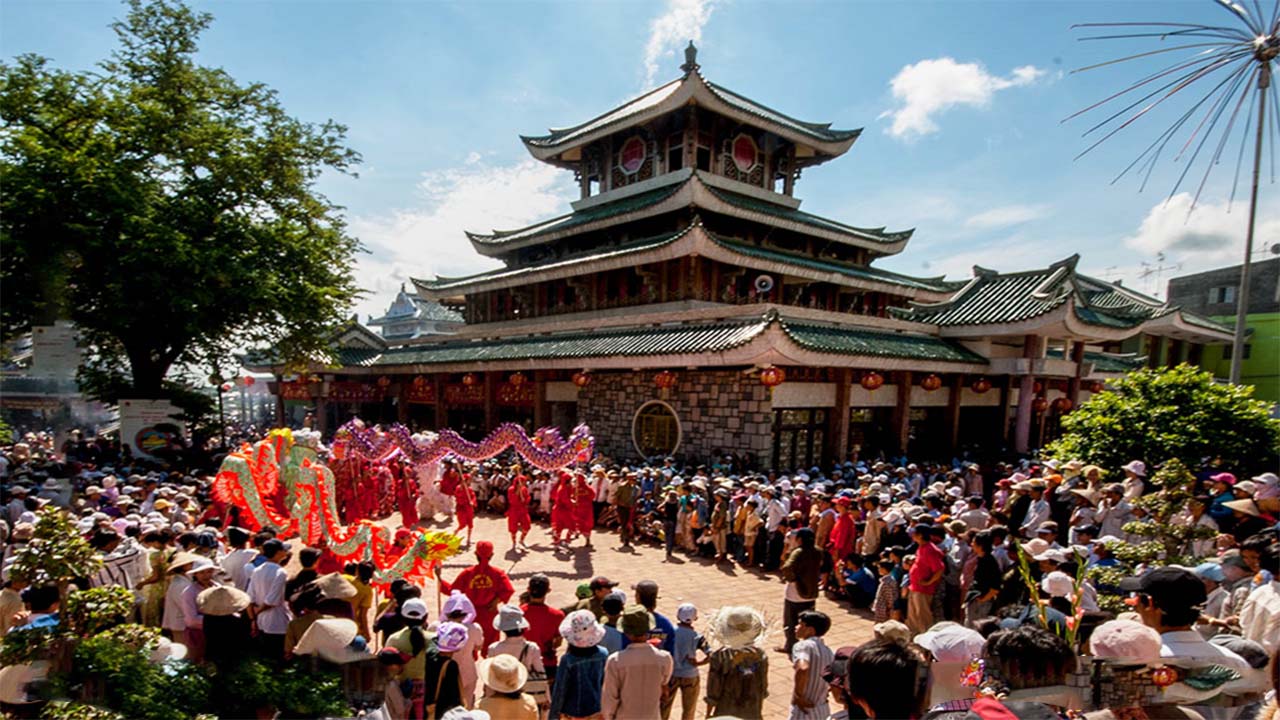
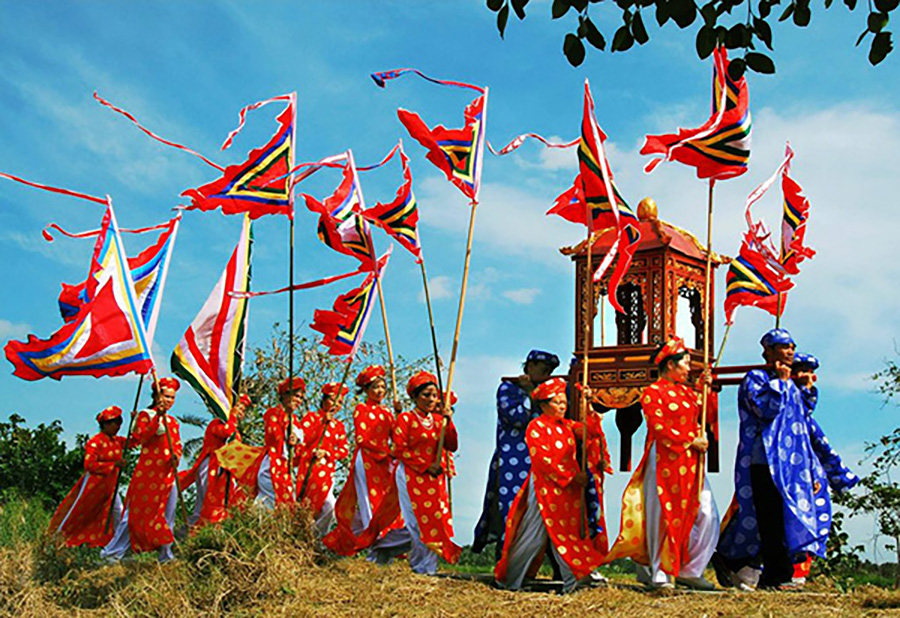
Festivals in the South cannot fail to mention the Festival of the Lady of the Land. The Ba Chua Land Festival (Vía Ba) takes place at Ba Chua Land Temple located at the foot of Nui Sam, Chau Doc city, An Giang. Every year the holiday is held on 23/4 – 27/4 lunar calendar. But Astral Day is April 25 because this is the day her statue was discovered.

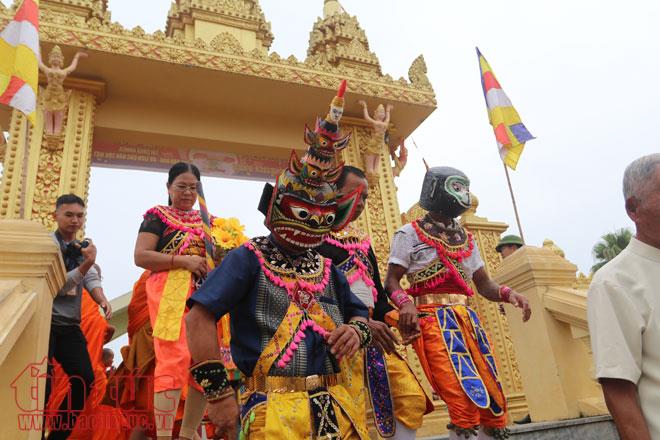
Visitors will be able to watch the ritual of bathing her with rainwater mixed with perfume. And changed into new clothes for her. The next day visitors will be able to watch her procession from the top of the mountain down by nine virgin girls. It was just a repeat of the old scene of her procession. In addition to those unique festivals, there is also Folk Art Culture performed such as lion dance, tray dance, dish dance,...


Photo: nucuoimekong.com

2. Don Ta – Dolta Festival – Festivals in the South

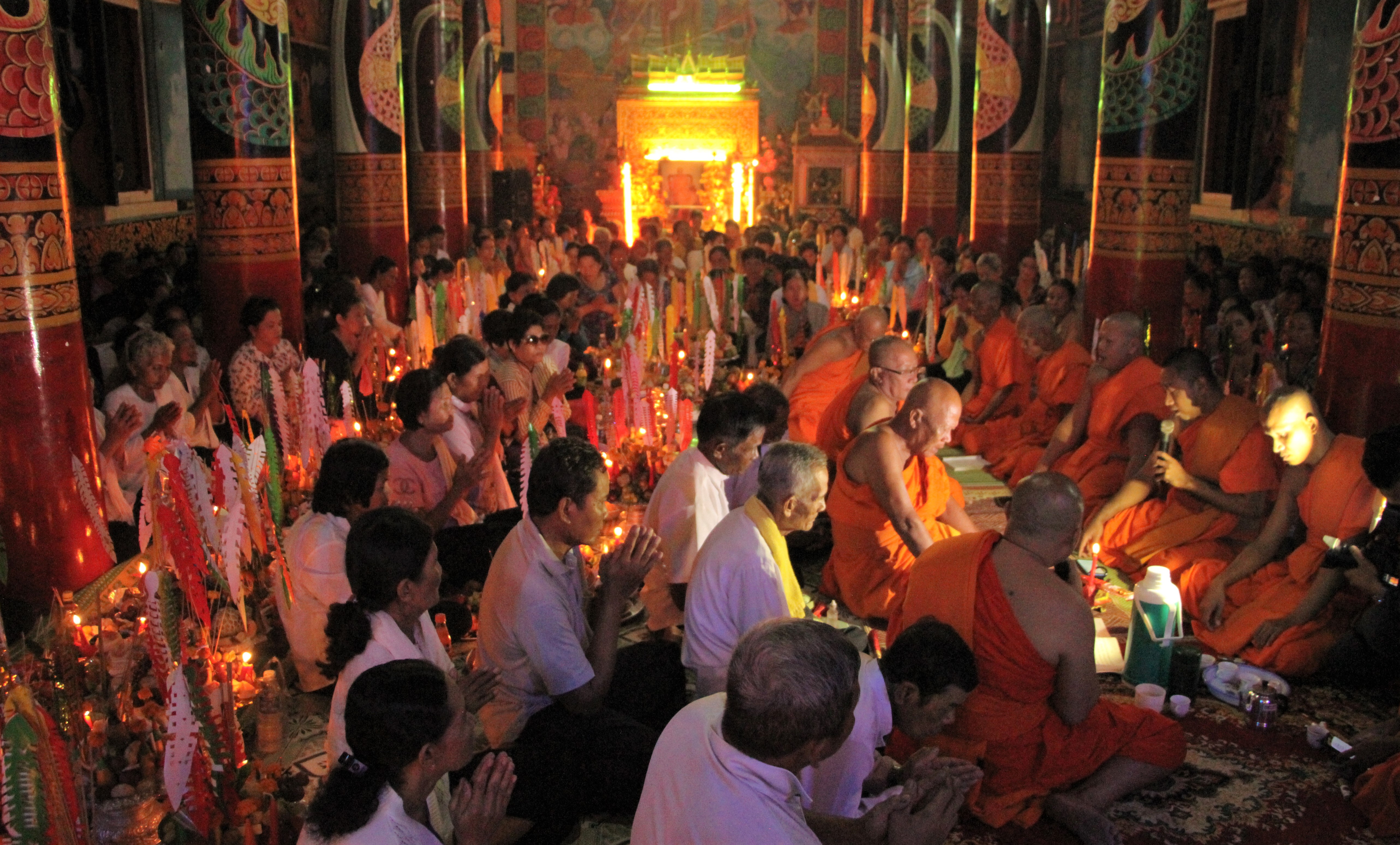
The Feast of Don Ta, also known as the "Indulgence of Sinners", is a Khmer holiday celebrated. If the Kinh people have the Vu Lan ceremony, the Khmer people also have the Don Ta ceremony. They hold a ceremony to remember their deceased grandparents and bless the living.


Khmer ethnic people come to the pagoda to practice rituals during the annual Sene Dolta festival. (Photo: vov.vn)

3. Khmer New Year Chol Chnam Thmay

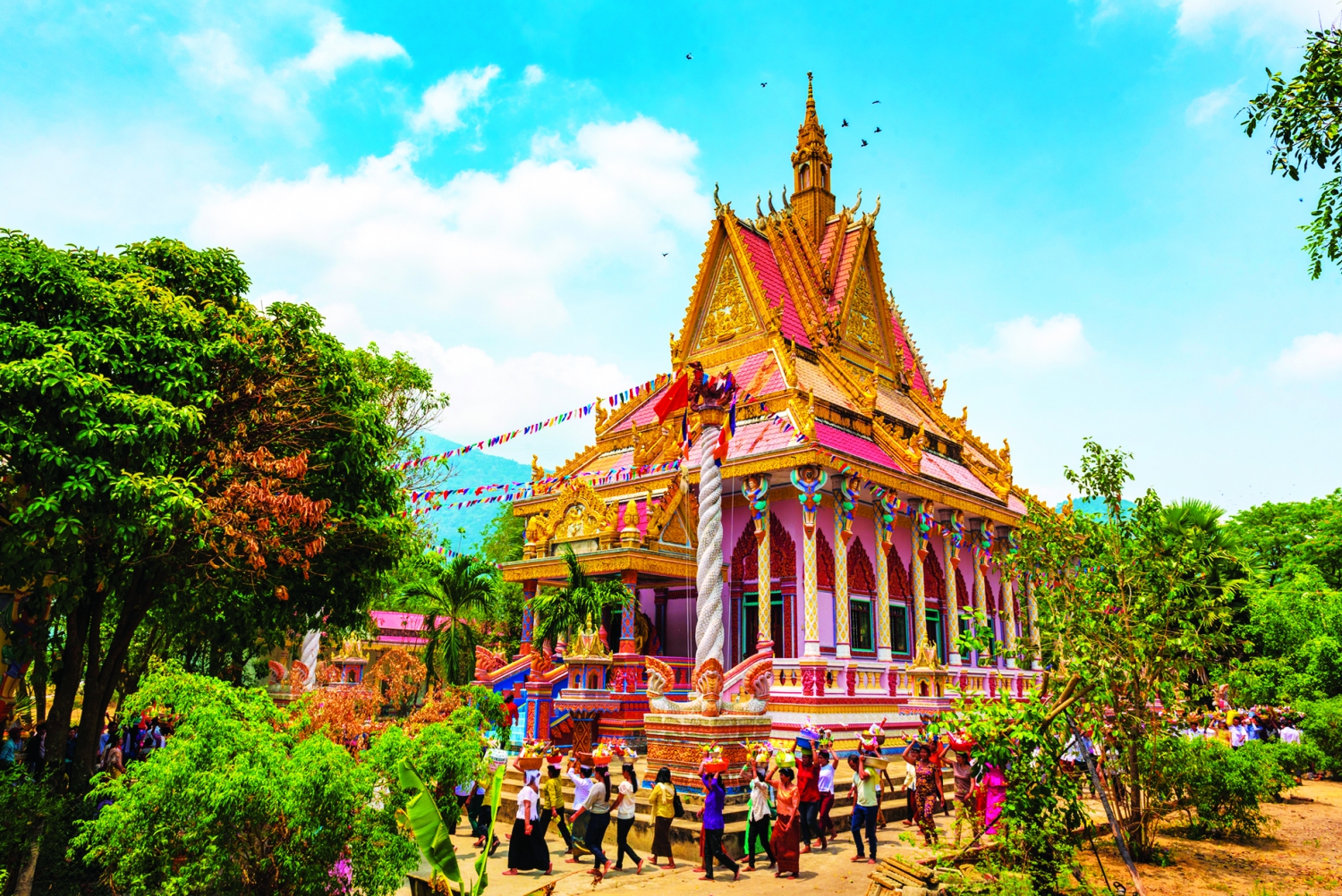
The special festival in the Southwest to mention is Chol Chnam Thmay.When tourists go to areas with a large number of Khmer people living such as Soc Trang, An Giang, Tra Vinh,... Visitors will encounter the bustling atmosphere of people here preparing their traditional New Year. It is quite similar to the custom of Lunar New Year of the Kinh people in the Southwest region. Every time it comes to the ceremony, people clean their houses. Everyone sewed themselves new clothes and wrapped tacos, prepared fruits and incense lamps for Buddha worship.


Photo: thanhpho.tayninh.gov.vn

4. Kathina Festival – Festival in the South

Kathina festival is also known as the ceremony of offering cotton, offering coffee medicine to Khmer people in Soc Trang province. The ceremony is held after 3 months of dysentery. According to the regulations of Khmer Theravada Buddhism, temples will choose 1 specific date. And inform the Buddhists in the room to prepare for the Kathina ceremony. Therefore, each squirrel in each province will differ in terms of the date of organization but traditionally it usually takes place in 2 days.


Photo: Bao Tin Tuc

5. Tong Wen Festival

The Song Wen Festival is a festival in the West that dates back to the founding of the land. Because there are many epidemics that harm humans. So the people of the south at that time thought it was caused by the devil, the people out of sight. Therefore, they perform the Song Wen ceremony, which means extorting and driving away evil spirits and diseases that harm people.


Photo: Bao Phap Luat

6. Seven Mountains Bull Racing Festival

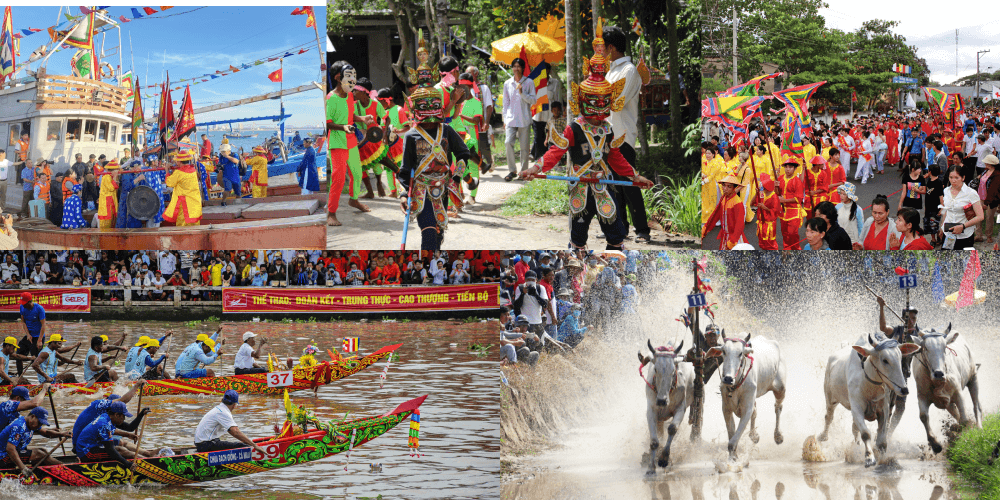
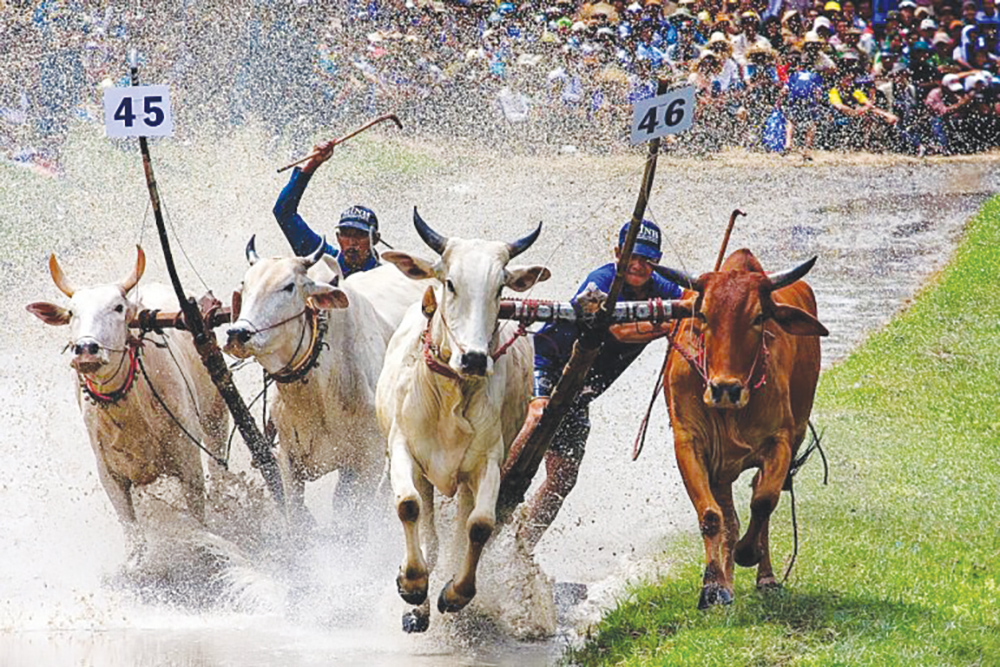
The Seven Mountains Bull Racing Festival is a festival of ethnic Khmer people. Bold with folklore and a unique sport in the Seven Mountains region. Celebrated on the Khmer holiday of Dolta, on the 30th day of the 8th lunar calendar every year in Tri Ton district, An Giang province. One will choose a pair of the most agile, healthiest cows. And take care of them to rest, exercise, and eat according to the regime. After 2 months, this pair of cows can go to the race and have a driver. Every year, on the occasion of the bull racing festival, the atmosphere is extremely bustling and attractive. The festival attracts thousands of visitors and the surrounding provinces have been present very early.


Photo: Bao An Giang

7. Southern Folk Cake Festival – Western Cake Festival

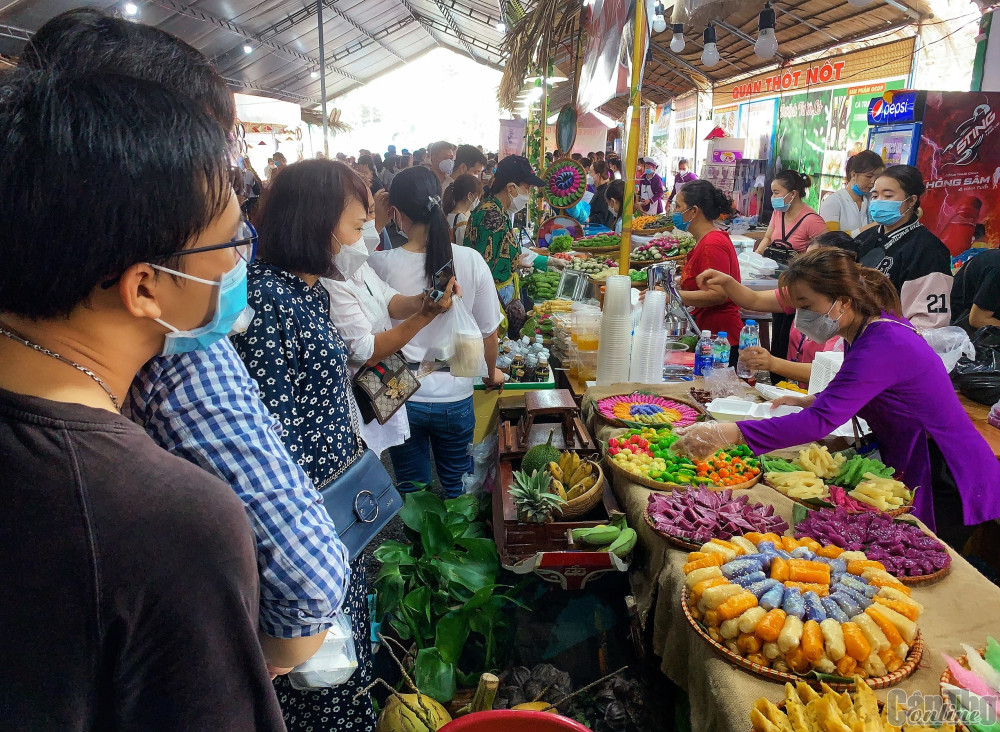
The Southern Folk Cake Festival is an attractive Western cake festival. Held annually at the national level in Can Tho City. The festival has the participation of more than 100 booths, and is one of the important cultural and tourist events. For the purpose of introducing and promoting folk cakes and Southern cuisine. At the same time, contributing to the preservation and promotion of warm cultural values.


Photo: Bao Can Tho

8. Tan Loc Fruit Garden Festival – Western Fruit Festival

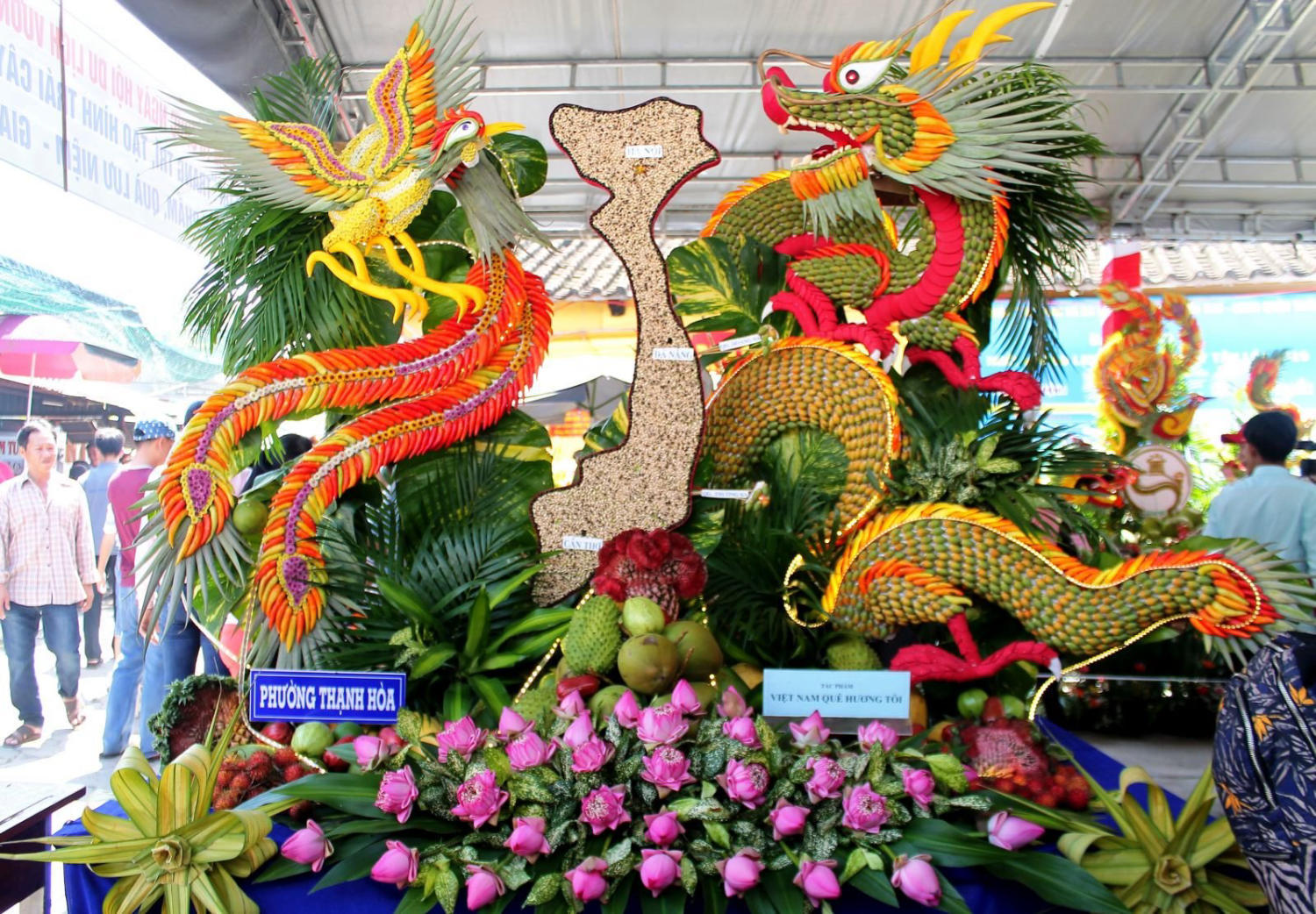
The unique Western Fruit Festival can be mentioned as Tan Loc Fruit Garden Festival. Held annually on Doan Ngo New Year. It is an opportunity to honor the cultural life and labor fruits of the people. At the same time, promote and introduce the potential of ecotourism in the garden of Tan Loc island. Contribute to the diversity in festival culture in the South.


Photo: Collected

9. Nghinh Ong Festival

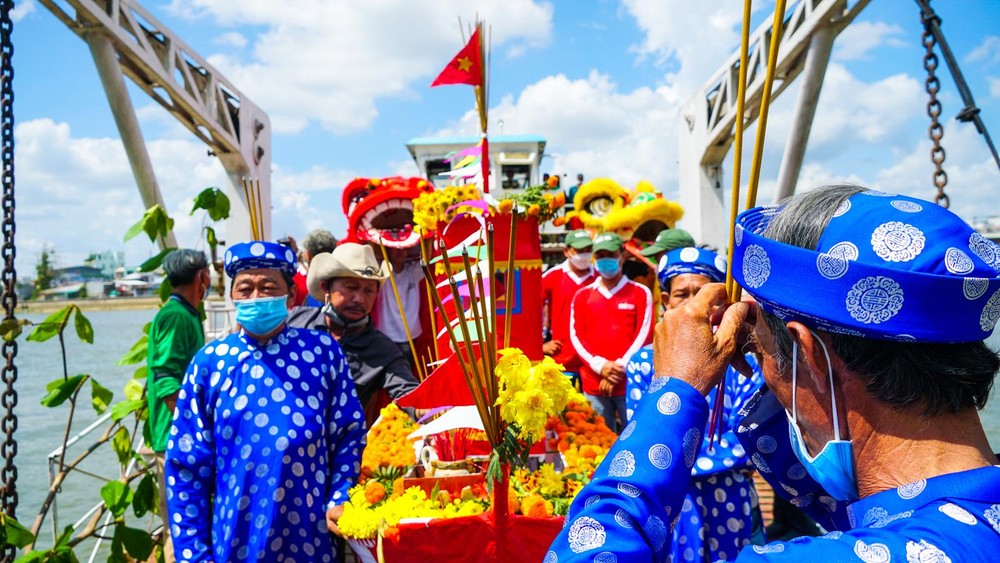
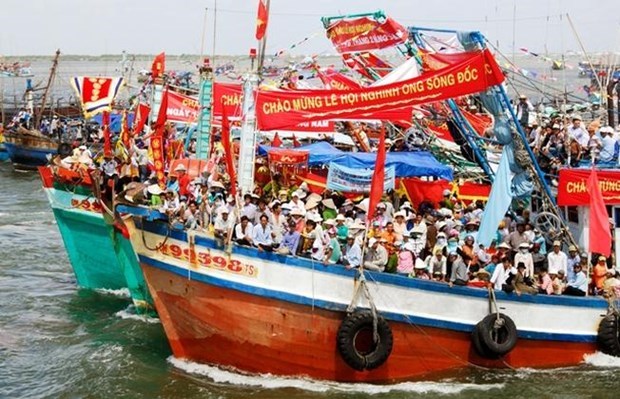
Nghinh Ong Festival (Nghinh Ong Thuy General Festival) is a traditional festival of coastal fishermen, and seafarers. This is a festival commemorating the merits of the whale – the god of the South Sea General. Because many times helping people overcome big waves and winds in the open sea. 


Boats at the festival (Photo: VNA)

10. Ky Yen Festival

Another Western festival is the Ky Yen festival, which means prayer ceremony. It is the largest sacrifice of the emperor of the year of a divine court in Southern Vietnam. The village communal house in Southern Vietnam has 2 rituals each year: Thuong Dien (when the harvest is finished) and Ha Dien (when starting to go to the field).


Photo: Collected

11. Ok Om Bok Moon Worship Festival

Another Southern festival is the Ok Om Bok Moon Worship Festival of the Southern Khmers. Also known as the Moon Offering or "Putting on Beautiful Nuggets". The ceremony takes place on the 14th and 15th days of the 10th lunar month every year. To Khmers, the Moon is seen as a god. This god helped them in regulating the weather, protecting the fields. And bring a good harvest, bring warmth and prosperity to the people living here. Therefore, after a harvest, Khmer people will conduct a Moon Offering. To show their sincere thanks to the Moon god. For blessing them as well as wishing for the crop after favorable rains and wind.


Photo: Collected

featured-image

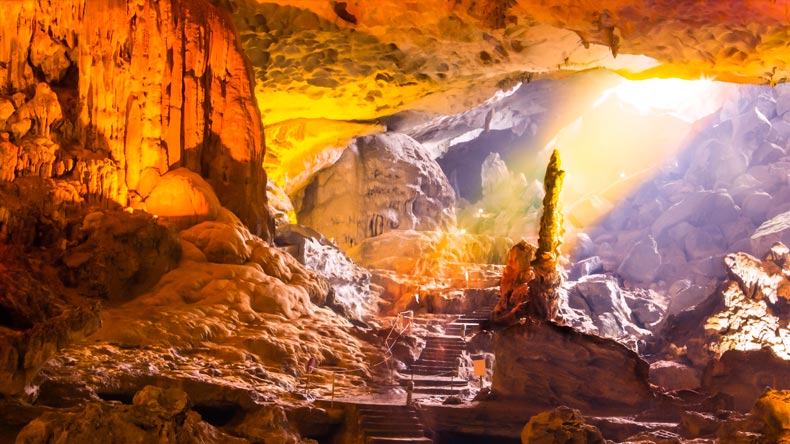
A place so amazing that the French deemed it “Grotte des Surprises” or (Surprise Grotto), Sung Sot Cave is one of the biggest, most beautiful caves in Halong Bay and a highlight on most Halong Bay itineraries.

About Sung Sot Cave

  • Sung Sot Cave was discovered by the French in 1901.

  • Elevation: 25 meters above sea level.

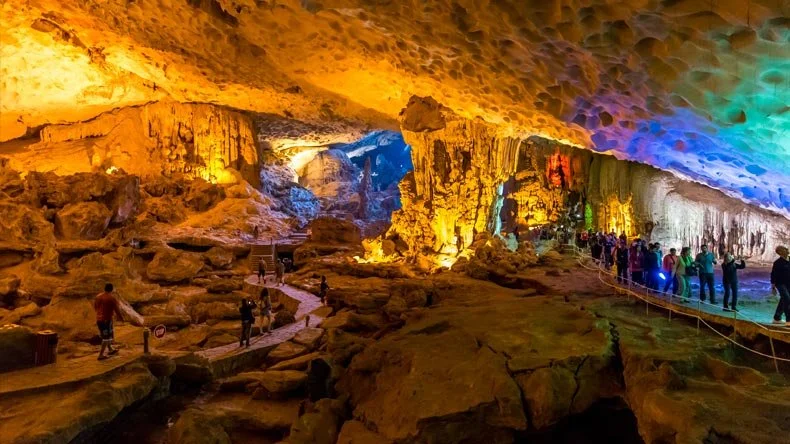
  • This is the largest and perhaps the most beautiful cave in Halong Bay with an area covering up to 10,000 sqm.

  • “Surprise” is the immediate feeling you may have when visiting this incredible natural artwork.

  • Sung Sot Cave is among the most prevalent tourist attractions for travelers and it is included in almost all itineraries of cruises exploring Halong Bay.

  • The cave is accessible by a rented canoe, a day cruise, or an overnight cruise.

  • Best time to visit: Year-round; however, the best months to visit are from October to December when the humidity level is low (60-70%).

Location

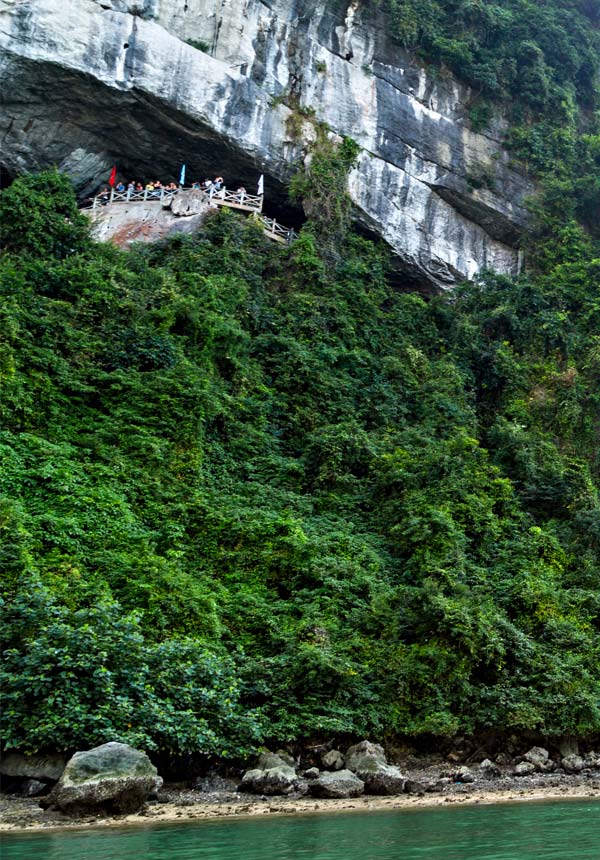
The cave can be found on the island of Bo Hon, along with another popular Halong cave, Trinh Nu. From the dock below, visitors must climb 50 stairs to the grotto’s mouth, which is just 25 meters above the sea. Sung Sot Cave is divided into two chambers; the first chamber, known as the “Waiting Room” is vast, adorned by stalagmites and stalactites and lit by multicolored lights positioned to complement the chamber’s structural beauty.

Sung sot cave from outside!

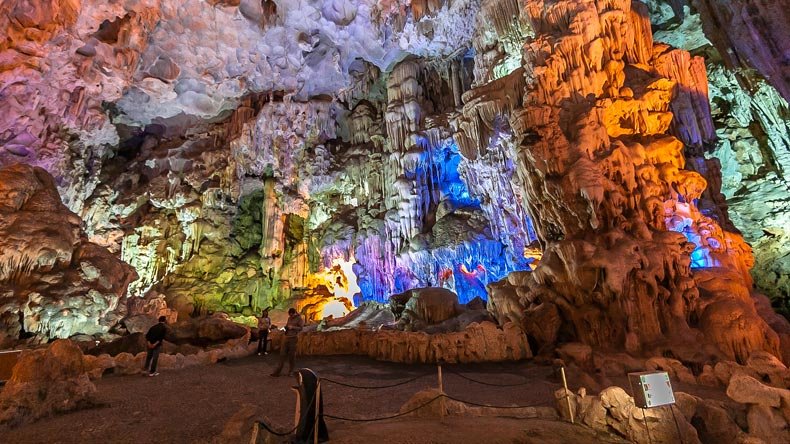
To reach the second chamber, visitors must walk down a narrow passageway. The second chamber is known as the “Serene Castle”. This chamber is large and grand with an extremely high ceiling and has many interesting rock formations which locals identify by likening them to animals due to their shapes.

Legend of Sung Sot cave

One eye-catching rock formation is shaped like a horse with a long-sword and is linked to the legend of Thanh Giong (God Gióng). It is said that Thanh Giong protected locals by defeating aggressors, demons and evil spirits, and once his work was done he ascended to the heavens, leaving behind a stone horse and sword to continue to drive away any future aggressors.

At the exit of the grotto, there is an open area called the “Royal Garden” where there is a peaceful pond and beautiful banyan trees. Some lucky visitors get to see monkeys in search of fruit which makes for some great photo opportunities!

How to visit Sung Sot Cave

There are two popular ways to visit Sung Sot Cave:

Option 1:

For tourists who are in shortage of traveling time and want to include Sung Sot Cave only in their itinerary, the best way is to rent a canoe. Most high-speed canoes are docked in Tuan Chau and Hon Gai Pier. It often costs from US$50/hour for a 4-to-8-seat canoe.

Option 2:

Alternatively, a more convenient and budget-saving option to visit Sung Sot Cave is to take a 6-hour day boat.

Sung Sot Cave belongs to route 2 that the day boat departs from Tuan Chau International Port - Soi Sim Island - Titop Island - Sung Sot Cave - Bo Nau Cave - Luon Cave - Fairy Lake Cave - Trinh Nu Cave - Me Cung Cave. Visitors have opportunities to enjoy activities such as exploring caves, swimming, boat sailing, and kayaking.

Ticket price: the ticket is sold at Tuan Chau International Port. It costs VND 290.000/pax. Additionally, tourists have to pay VND 200.000 boat rental fee and VND 150.000 to VND 250.000 for lunch (optional). The total price is VND 640.000 - VND 740.000/pax.

Note:

  • Children under 1.2m or 7 years old are free.

  • Children from 7 to 16 years old get a 20% ticket price reduction.

  • People aged above 60 years old get a 50% ticket price reduction.

The best time to visit

While the best for locals to visit Halong Bay is from April to October, winter from October to December attracts the biggest number of foreigners to the wonder. During this season, the humidity level is low and the weather is dry.

What to pack

Tourists should prepare light clothes, some sweaters, sports shoes. Insect repellent and sunscreen are also necessary as you will spend a large amount of time outdoors and in the caves.

How to get to Ha Long Bay

From Northern provinces such as Ha Noi and Hai Phong, you may take the bus, train, taxi, or car to Ha Long Bay.

From Southern and Central provinces, we suggest taking the plane to Van Don Airport in Quang Ninh. You may also fly to Cat Bi Airport in Hai Phong which offers more choices of flights.


References: www.visithalongbay.com

featured-image

Photo: Collected

Embarking on a journey to Vietnam is like stepping into a vibrant mosaic of rich history, breathtaking landscapes, and warm hospitality. This sentiment is echoed in its largest city – Ho Chi Minh. Ho Chi Minh is a bustling metropolis located in the southern part of the country, characterized by its vibrant atmosphere, modern skyscrapers, historical landmarks, and bustling streets. It offers a unique blend of traditional Vietnamese culture and rapid urban development, providing a captivating experience for its visitors.

The best time to visit Ho Chi Minh City

Ho Chi Minh City has a tropical climate with high humidity and consistent temperatures throughout the year. The best time to visit is during the dry season from December to April when there’s lower humidity and less rainfall. However, December and January attract heavy tourist crowds to the city, resulting in higher prices. The temperatures start to rise in March and April, thus February is the best month to visit Ho Chi Minh when the weather is at its best and the tourist crowds typically disperse.

Here’s how to make the best of your visit to the beautiful Ho Chi Minh City. Take note of the following list so you will have the best memorable experience in the city of vibrant and vivid beauty.

Ho Chi Minh City

Ho Chi Minh City, Author: xiquinhosilva, Source: Flickr

Ben Thanh Market

A bustling market that sells everything from food to clothing to souvenirs. It’s a great place to experience local culture and cuisine. Visitors can try local street food, shop for souvenirs, and interact with locals. The market is divided into several sections, each specializing in different types of goods. One section is dedicated to food, with vendors selling everything from pho to banh mi to fresh fruit. Another section is dedicated to clothing, with vendors selling traditional Vietnamese clothing as well as modern fashion.

Ben Thanh Market, Ho Chi Minh 2

Ben Thanh Market, Author: Isabell Schulz, Source: Flickr

  • Location: Ben Thanh ward, District 1, HCMC.
  • Opening hours: 7:00 am – 7:00 pm. 7:00 pm – 11:00 pm (night market).

Saigon Notre-Dame Basilica 

Notre-Dame Cathedral, Ho Chi Minh

Notre-Dame Cathedral, Author: xiquinhosilva, Source: Flickr

A beautiful cathedral that was built in the late 19th century. It’s a popular tourist attraction and a great place to take photos. Visitors can admire its Gothic architecture and learn about its history. The cathedral has many interesting features, including stained glass windows depicting scenes from the Bible and statues of saints lining its walls.

  • Location: 01 Cong Xa Paris Street, Ben Nghe ward, District 1, HCMC. Good to visit together with the Central Post Office.
  • Opening hours: 5:30 am – 5:30 pm (Mon–Sat). 5:30 am – 7:00 pm (Sun, 9:30 am: English mass).

Central Post Office 

A stunning building that was designed by Gustave Eiffel and built in the late 19th century. It’s still a functioning post office, but visitors can also admire its architecture and history. Visitors can send postcards home or take photos of its beautiful interior. The post office has many interesting features, including a large portrait of Ho Chi Minh hanging on one wall.

Source: VNA

  • Location: 02 Cong Xa Paris Street, Ben Nghe ward, District 1, HCMC. Good to visit together with Saigon Notre-Dame Basilica.
  • Opening hours: 7:30 am – 6:00 pm (Mon–Sat). 8:00am – 5:00pm (Sun).

Saigon Zoo and Botanical Gardens

Source: Collected

A historical and iconic landmark of Ho Chi Minh City with wide collections of rare animals and plants. Established over 150 years ago, it is one of the oldest zoos in the world. The zoo is divided into an animal conservation area, a plant conservation area, an orchid garden, and an amusement park. The botanical garden contains many species of rare and valuable plants, some of which are not native to Vietnam. There are species of cacti, ferns, and plants that have been imported from Africa and other countries. It's a great place to visit if you want to learn about Vietnamese culture and history while enjoying the beauty of nature.

  • Location: 2 Nguyen Binh Khiem Street, Ben Nghe Ward, District 1, HCMC. Good to visit together with The History Museum of Ho Chi Minh City.
  • Opening hours: 7:00 am – 5:30 pm.
  • Fare: 60,000VND/person.

War Remnants Museum 

The museum showcases the Vietnam War from the Vietnamese perspective. It has a collection of military equipment and weapons used during the war, as well as photographs and other exhibits that document the war’s impact on the country. Visitors can learn about the war’s history and its effects on the Vietnamese people. The museum is divided into several sections, each focusing on a different aspect of the war. One section is dedicated to the use of Agent Orange, a chemical weapon that was used during the war and had devastating effects on both soldiers and civilians. Another section focuses on the role of journalists during the war and how they helped shape public opinion. It’s a must-visit for anyone interested in history and politics.

Source: Collected

  • Location: 28 Vo Van Tan St, Vo Thi Sau Ward, District 3, HCMC.
  • Opening hours: 7:30 am – 5:30 pm.
  • Fare: 40,000VND/person.

Suoi Tien Theme Park 

Source: Collected

The theme park features water rides, roller coasters, and other attractions. It also has a zoo and an aquarium. Visitors can enjoy a variety of activities and attractions in one place. The park is designed around Vietnamese mythology and culture, with many of its attractions featuring dragons, unicorns, and other mythical creatures. One of its most popular attractions is the “Golden Dragon,” a roller coaster that takes riders through a dragon’s mouth and over a lake. It’s a great place to visit with family or friends.

  • Location: 120 Xa Lo Ha Noi, Thu Duc City, HCMC.
  • Opening hours: 7:30 am – 5:00 pm.
  • Fare: from 120,000 VND/person.

Thien Hau Temple 

One of the oldest Chinese temples in the city and one of the best places to visit in Ho Chi Minh City’s Chinatown (ChoLon). The temple is dedicated to Thien Hau, the goddess of the sea. Visitors can admire its intricate architecture and learn about Chinese culture and religion. The temple is decorated with beautiful carvings and statues, including one of Thien Hau herself. It’s a great place to visit for anyone interested in history and architecture.

Source: Collected

  • Location: 710 Nguyen Trai St, Ward 11, District 5, HCMC.
  • Opening hours: 6:00 am – 5:30 pm.

Jade Emperor Pagoda 

Source: Collected

A temple that was built by the Chinese community in the early 20th century. It’s dedicated to the Jade Emperor, who is believed to be one of the most powerful gods in Taoism. Visitors can admire its intricate carvings and learn about Chinese culture and religion. The temple has many interesting features, including statues of various gods lining its walls.

  • Location: 73 Mai Thi Luu St, Da Kao Ward, District 1, HCMC.
  • Opening hours: 7:00 am – 5:30 pm.

Bitexco Financial Tower 

A skyscraper that offers panoramic views of the city from its observation deck. It’s one of the tallest buildings in Ho Chi Minh City and a great place to see the city from above. Visitors can enjoy a drink or meal at its restaurant while taking in views of the city. The tower has many interesting features, including an unusual helipad that juts out from one side.

Bitexco Financial Tower

Bitexco Financial Tower, Author: Gyver Chang, Source: Flickr

Location: 2 Hai Trieu St, Ben Nghe ward, District 1, HCMC.

Saigon Opera House 

Source: Collected

A beautiful building that was built in the early 20th century and is now home to the Ho Chi Minh City Ballet and Symphony Orchestra. It’s a great place to see a performance or just admire its architecture. The opera house has many interesting features, including its ornate facade and grand staircase.

  • Location: 07 Cong Truong Lam Son, Ben Nghe ward, District 1, HCMC.
  • Opening hours: 9:00 am – 4:30 pm (Mon – Fri), 9:00 am – 12:00 am (Sat-Sun)
  • Fare: 80,000-900,000VND/person.

Bui Vien Street 

Source: Collected

A vibrant street located in the heart of Ho Chi Minh City’s backpacker district. It’s a great place to experience local culture and nightlife. Visitors can try local street food, shop for souvenirs, and interact with locals. The street is lined with bars, restaurants, and shops.

Location: Bui Vien St, Pham Ngu Lao ward, District 1, HCMC.

Ho Chi Minh City Museum 

Source: Collected

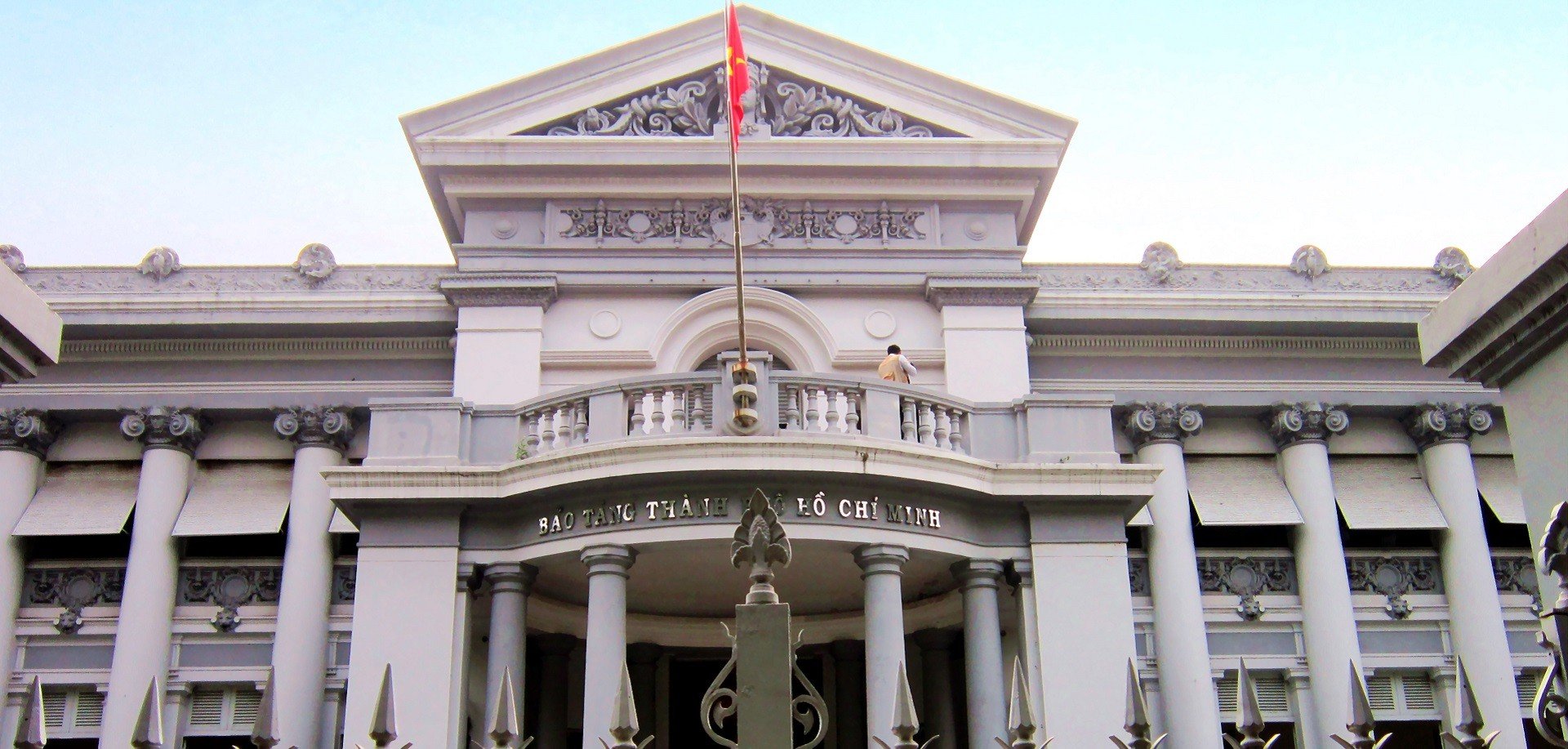
A showcase of the history of Ho Chi Minh City from its earliest days to the present. It has a collection of artifacts and exhibits that document the city’s history and culture. Visitors can learn about the city’s development over time and its role in Vietnam’s history. The museum is housed in a beautiful French colonial building that was built in the early 20th century.

  • Location: 65 Ly Tu Trong St, Ben Nghe Ward, District 1, HCMC.
  • Opening hours: 8:00 am – 5:00 pm
  • Fare: 40,000VND/person

Museum of Vietnamese History 

Source: Collected

A must-visit destination for anyone interested in Vietnamese history and culture. The museum houses an extensive collection of artifacts and documents that showcase the rich history of Vietnam from prehistoric times to the present day. The exhibits include many National Treasures, which are considered to be among the most valuable and important cultural artifacts in Vietnam.

  • Location: 2 Nguyen Binh Khiem Street, Ben Nghe Ward, District 1, HCMC. Good to visit together with Saigon Zoo and Botanical Gardens.
  • Opening hours: 8:00 am-11:30 am, 1:00 pm-5:00 pm. Closed on Mondays.
  • Fare: 30,000VND/person.

Independence Palace 

Reunification Palace, Ho Chi Minh 2

Reunification Palace, Author: xiquinhosilva, Source: Flickr

Once the home to the president of Southern Vietnam during the Vietnam War and now an iconic museum in Ho Chi Minh City. The palace has been preserved as it was when it was used by the president and his staff. Visitors can see how the president lived and worked during this time. The palace has many interesting features, including a helicopter landing pad on its roof and an underground bunker that was used during air raids. It’s a great place to visit for anyone interested in history and politics.

Location: 135 Nam Ky Khoi Nghia, Ben Thanh ward, District 1, HCMC.

Cu Chi Tunnels 

Source: Collected

An extensive network of underground tunnels that were built during the Vietnam War in the 1960s and 70s. The tunnels served as a means of communication between villages and sheltered Vietnamese people as well as soldiers during the war. The tunnels are complex and layered, consisting of connecting rooms, air vents, escape routes, and booby traps that were hand-carved during the war. Today, it is one of the top tourist attractions in Ho Chi Minh City and offers visitors a chance to experience what life was like for soldiers during the Vietnam War. In addition to exploring the tunnels, visitors can also watch a short film about the tunnels and the Vietnam War, visit the shooting range to fire an AK-47 or M16 rifle, and sample traditional Vietnamese food. There are also souvenir shops where you can buy handmade crafts and other items. 


References: onedayitinerary.com

featured-image

Photo: ĐCSVN

1. Ba Chua Kho Festival

This is considered one of the largest Vietnamese festivals in the North, because this is not only related to ancient legends, but also associated with the beliefs of Bac Ninh people. The most special feature of the festival is the loan ceremony of Ba Chua Kho.

Every citizen who comes to offer incense and writes for loans are requests, aspirations, goals for the upcoming year and promises of repayment days. Those who have borrowed must keep their promises and come to Thanksgiving at the end of the year, or the promised day in the future, so that the following year can still be fully blessed by the Grandmother for business.


Photo: aFamily

2. Hung Temple Festival

A more common name is "Hung Kings Commemoration", associated with the song "No matter who goes backwards, remember the tenth anniversary of March. This is a Vietnamese festival recognized by UNESCO as a Representative Intangible Cultural Heritage of Humanity. History was started from the Hung kings, starting with the Van Lang state – the cultural cradle of Vietnam today.


Hung King Anniversary holiday (Photo: Bao dien tu Chinh Phu)

The main entertainment activities of the Hung Temple festival include the banh hung – thick cake wrapping contest, banh hung – thick cake procession, folk art performances such as xoan singing, pilgrimage to commemorate King Hung, procession and offering of King Hung incense. These are all entertainment activities that commemorate the story of King Lang Lieu and the intangible traditional cultural values of our country.

3. Vieng Market Festival

In the list of festivals in Vietnam, this is not a festival related to spiritual beliefs, but a place of exchange, trade of items and community cultural exchange. Trading products can be ornamental plants, farm service items or foods such as veal, beef ,... Every year, the market atmosphere is extremely bustling when there is a large participation of people from all over the world to participate.


Photo: Collected

4. Perfume Pagoda Festival

Every January 6th to the end of the 3rd lunar month, the Perfume Pagoda scenic area attracts a large number of Buddhists across the country. Huong Pagoda Festival converges typical traditional forms of cultural activities and activities of our country such as boating, climbing and paddle singing, singing literature on Yen stream...


(Photo: Bao Quang Ninh)

Besides, participating in the festival, visitors not only aim for beliefs and pray for peace but also enjoy the fresh air and harmony between people and nature. 

5. Giong Temple Festival

In 2010, UNESCO recognized the festival commemorating the hero who fought An as a representative intangible traditional cultural heritage on behalf of the earth. The opening venue is where Saint Giong stopped his horse before flying to the sky, which is the foot of Soc Son mountain today.


Photo: Collected

The most fun is the deadline for the readiness of the festival, which is lively and speckled 2-3 weeks before the 6th day of the 6th month of the lunar calendar in each village. Each participating village will be assigned according to each procession order of the 3 days of the festival, clearly printed in the 6th stele at Soc Son temple, Ho Chi Minh City. HN. Giong expresses great patriotic faith and conveys the resilient will, aspiration for independence and freedom of the indigenous people.

Festival to worship one of the "Four Immortals" in Vietnam

6. Co Loa Festival

In early spring, people from Dong Anh, Hanoi and tourists from all over flock to celebrate at An Duong Vuong temple. This is one of the unique festivals of Vietnam to commemorate the founder of the Au Lac state of our nation.

Participants will be able to participate in many traditional rituals such as: Opening ceremony, incense offering procession, street examination procession, procession of five Master burn molds, procession of Bat Xia, ... 


Photo: thanhcoloa.vn

7. Hoi Lim

Belonging to the unique festivals of Vietnam, expressing the cultural activities of the community and traditional arts of the North, this is actually the Lim Pagoda Festival and the banks of the Tieu Tuong River. Every year on January 12-14, in Bac Ninh, we will hear dao songs, Quan ho singing was like pouring bile into their ears. It opens with a grand procession.

In addition, Lim Association also organizes the deployment of many brilliant folk game shows such as martial arts fighting, chess fighting, weaving competition, fairy swinging, cooking rice, ... and many ceremonies so that passengers from far away and their villages can fully participate and compete with each other. The exquisite gestures of the people of Beijing and the shirts, scarves, and shirts of the third and seventh make passengers remember inconsolably, even when leaving.


Singing Quan Ho songs on the boat (Photo: bvhttdl.gov.vn)

Source: evbn.org

Page:
...
30
...