Travel News

featured-image

Photo: Collected

In Vietnam, there is a marine species with high nutritional value, which is the ruoi (a kind of sea worm).

Around September and October every year, people in the northern coastal areas of Vietnam will harvest ruoi and use it as the main ingredient to cook delicious and unique dishes.

From the outside, ruoi looks like a worm. But it has more silk and legs, so it's a little scary to see. Therefore, it is a dish that many people can only eat, but can’t prepare for themselves.

From ruoi, people can make a lot of dishes, such as ruoi cake, ruoi sauce, and braised or steamed ruoi.

It can be said that Hanoi is not the land of ruoi, but it is the best place to have delicious ruoi cake that few places can compare.

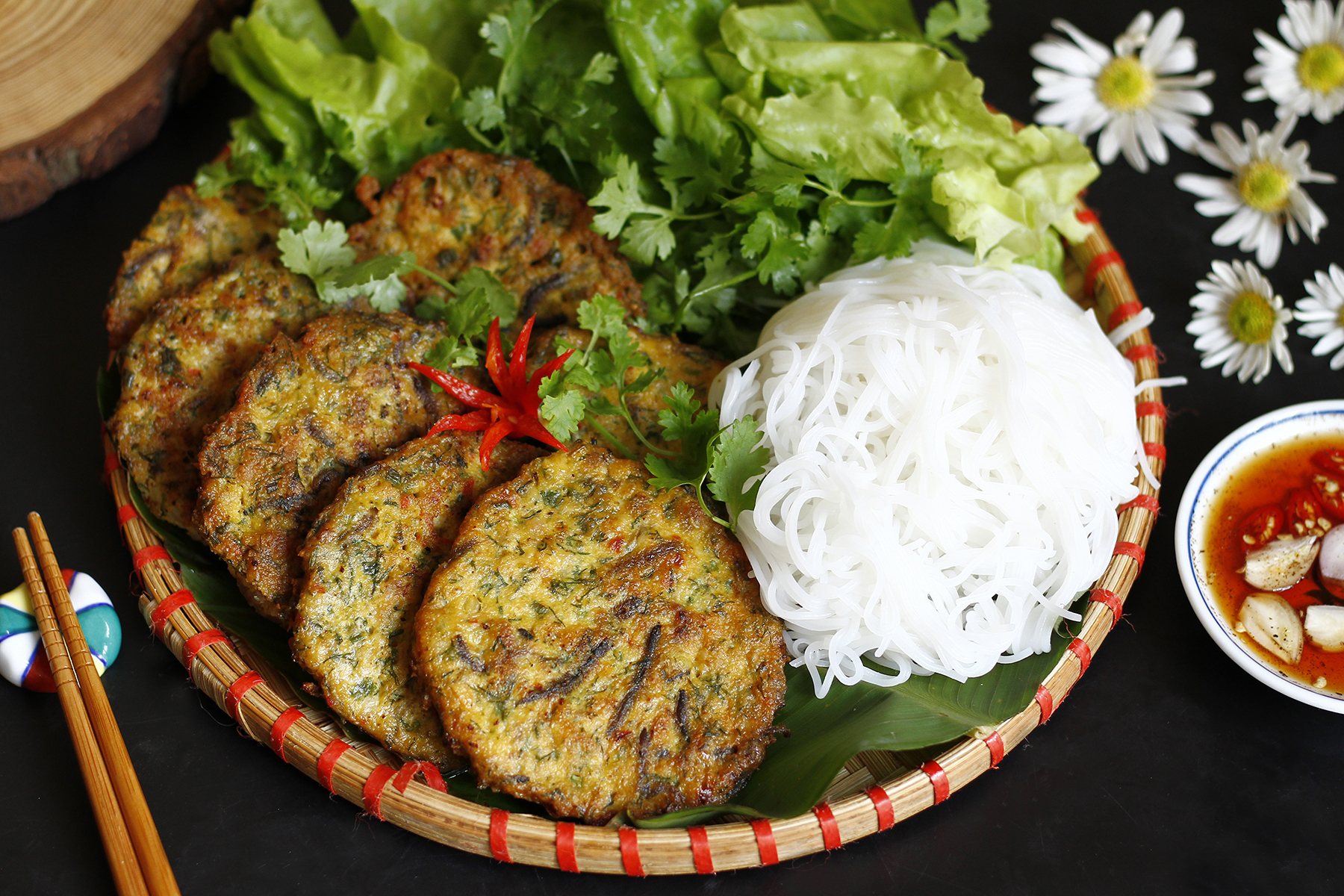
Hanoians often make ruoi cake with ingredients including minced meat, a few pieces of chopped tangerine peel, dill, and chopped scallions. Next, they mix 1 or 2 eggs and add a little pepper, fish sauce, salt, and some fresh chili slices. Then they put a frying pan on low heat, pour in the mixture, and cook it until golden on both sides.

ĐẶC SẢN CHẢ RƯƠI HẢI DƯƠNG, ĂN MỘT LẦN LÀ MÊ - haiaubusSource: Collected

Ruoi cake is usually eaten hot with sweet and sour dipping sauce, herbs, and vermicelli. It looks simple, but it is a very attractive dish for many people.

In Hanoi, people often invite each other to a ruoi restaurant in O Quan Chuong, because the place is famous for a long time. Or they could go to a ruoi restaurant at the end of Lo Duc street or another one in Hoe Nhai street, Duong Thanh street./.


Source:
VietnamPlus

featured-image

Photo: Freepik

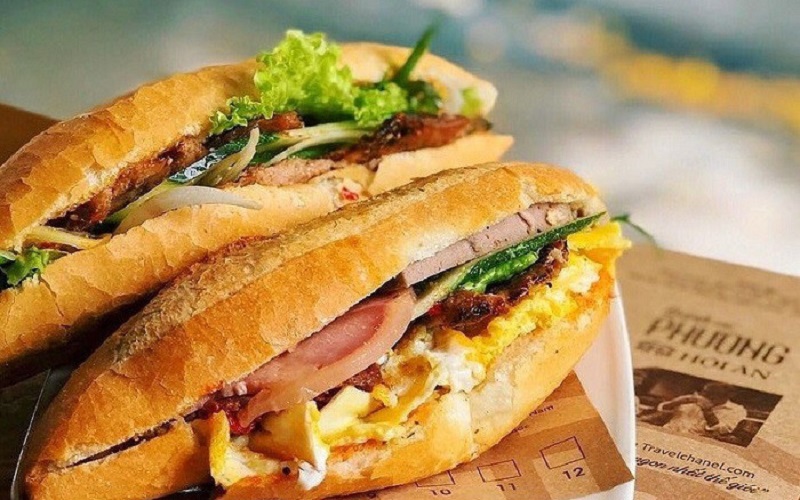
When the French baguette arrived in Vietnam more than 100 years ago, no one could have guessed it would change Vietnamese cuisine forever. Bánh mì, the streetside sandwich loved by so many, is now one of the most iconic Vietnamese dishes. But its apparent simplicity is deceptive. Locals have reinvented the staple again and again, in every corner of the country. Exploring the bánh mì scene in Vietnam is one of the tastiest journeys you can take. To get you started, below are seven amazing bánh mì you must try.

Bánh mì sốt vang

A stew of beef and red wine sounds like it belongs in a Michelin-starred restaurant, but like many other great Vietnamese dishes, this can easily be found on the sidewalks of Hanoi. The French-influenced stew is seasoned with cinnamon, star anise, and coriander. Tear off a piece of bread and dip it in the rich, savoury broth. You need to get a little hands on with bánh mì sốt vang. It takes hours to perfect the red wine stew, so family cooks would make a large pot and use it for both bread and phở. Yes, red wine beef stew phở is very much a thing.

Bánh mì heo quay

Banh Mi Vietnam

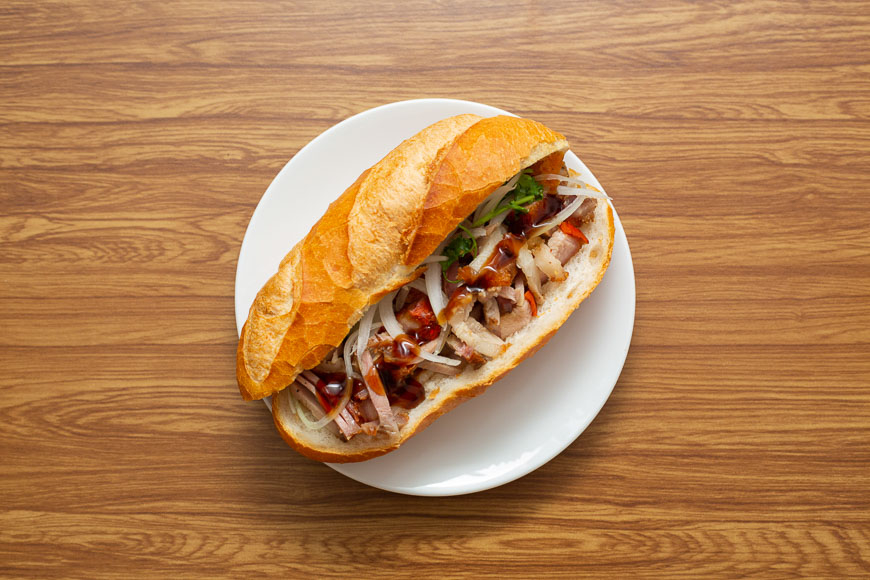
How much crunchiness is too much crunchiness? Who can say? Certainly not fans of bánh mì heo quay, the roasted pork adaptation of the classic bánh mì. Thick slices of roasted pork belly are wedged inside a crusty loaf, right next to cucumber and pickled turnip. It's a fine balance of textures. A whole street in Ho Chi Minh City is dedicated to bánh mì heo quay, where foodies line up every morning for their favourite breakfast. Think we're overdoing it? Give this sandwich a try and you may reconsider. 

Bánh mì bò né

banh mi sandwich

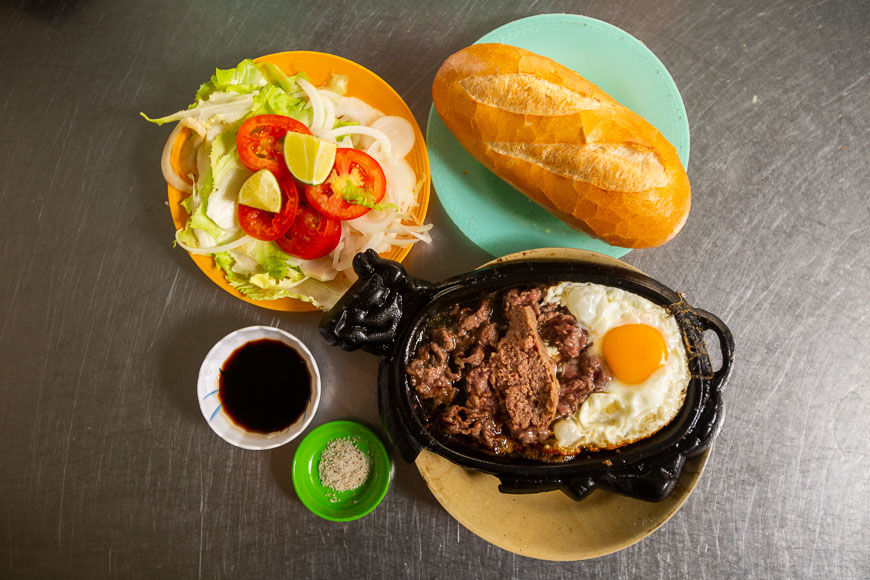
The direct translation of bò né is ‘dodge the beef'. But it’s not the beef that you want to avoid, it's the hot oil splatter from the cast iron skillet on which it's served. Somehow, some Vietnamese found out that sizzling steak is a brilliant companion to a loaf of bánh mì. A bubbling fried egg, some paté, tomatoes and herbs complete the mouthwatering display. Needless to say, a good bánh mì bò né requires some ducking when it first arrives. But you'll learn to maneuver soon enough. When this level of deliciousness is at stake, anyone will. 

Bánh mì ốp la

Every food culture has its own version of bread and eggs. In Ho Chi Minh City, it's called bánh mì ốp la, with sunny-side-up eggs and fresh baguette. Bánh mì ốp la is often served on a metal skillet with fried chả lụa (Vietnamese steamed pork sausage wrapped in banana leaves), or the eggs are placed directly into the warm baguette, and padded with papaya and carrot pickles, chili sauce and a drop of soy sauce. In places like Hội An, bánh mì ốp la becomes bánh mì trứng, and is stuffed with freshly sliced lettuce, tomato and cucumber. This bánh mì is a great option for vegetarians who want to sample Vietnam’s most famous snack.

Bánh mì thịt 

Vietnamese sandwich

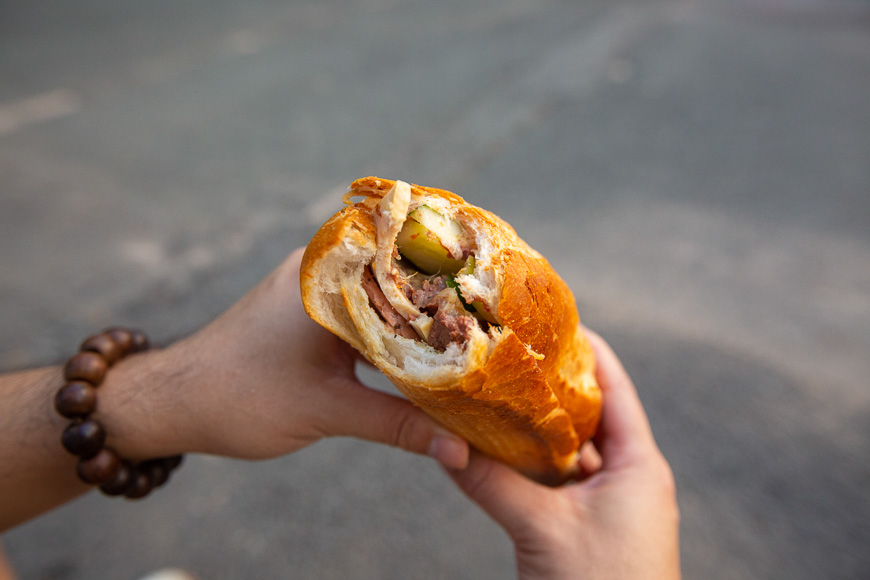
Bánh mì thịt is proof that you can never go wrong with the classics. Some people like their bread crispy, some prefer soft, but the filling is the real star here. A fully loaded bánh mì thịtconsists of several kinds of Vietnamese ham, char siu or fried pork, butter, paté, pork floss, pickled carrots, cucumber, and coriander. A secret sauce ties everything together. Do as the Vietnamese do and enjoy your bánh mì thịt with a cup of bạc xỉu (iced milk coffee) on the sidewalk. It's a must-have Vietnam moment.

Bánh mì chả cá

Vietnamese sandwich

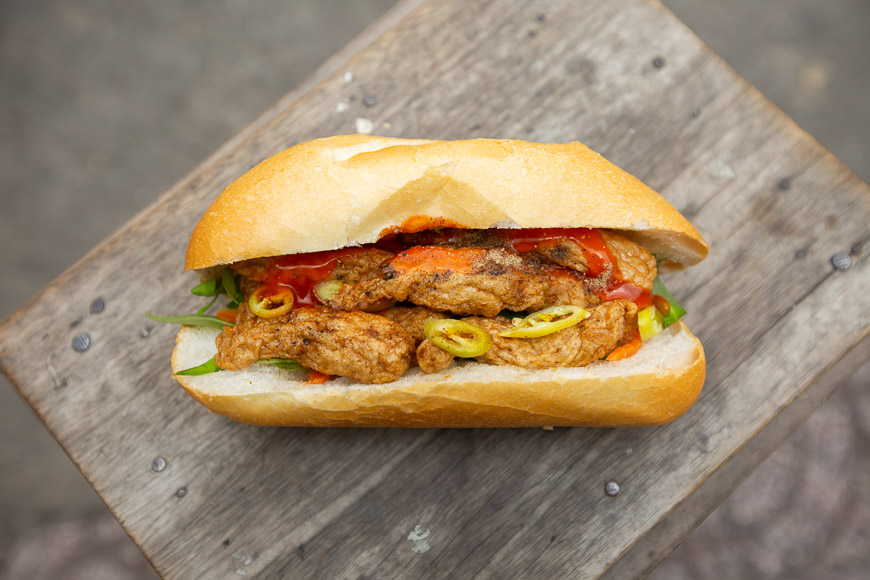
Fish cakes, originally from the coastal town of Nha Trang, have also made their way into bánh mì. The best fish cakes are characterised by their chewiness and a combination of umami flavours from several types of fish and the spiciness of black pepper. These are fried, then topped with aromatic Vietnamese coriander, and sometimes crunchy cucumber slices, or a garlic and chili soy sauce. These exciting flavours exploding in every bite have earned this bánh mì sandwich a special place among Southerners. 

Bánh mì chấm sữa

A lot of Vietnamese grew up with cans of condensed milk sitting in the cupboard. This decadent ingredient was involved in many fantastic treats. Bánh mì chấm sữa, or bread dipped in sweetened condensed milk, is a comfort food that has stood the test of time. Why? Well, fluffy bread soaking up warm, creamy milk is as comforting as it gets! This tried-and-true snack brings back memories of simpler times, when such a high-calorie meal was nothing but delightful. 


Source: Vietnam Tourism

featured-image

Photo: Freepik

In recent years, vegetarianism is no longer just a culinary trend but has truly become a way of life, especially for the younger generation around the world. In Vietnam - a country heavily influenced by Buddhism, vegetarian dishes can be easily found on the streets, in luxury restaurants, or even in cozy family meals.

If you are a first-time visitor to Vietnam and worry about vegetarian options here, read this article carefully to get an overview and enjoy your trip to Vietnam!

Overview

Vietnam stands out as a vegan-friendly destination, offering an abundance of dining choices for enthusiasts of plant-based cuisine. The prevalence of vegan and vegetarian options in Vietnamese cities can be attributed to the existence of temple-affiliated restaurants, often found in proximity to religious sites.

Vietnam Vegetarian

Source: Collected

Many eateries showcase dedicated vegan menus, and others are flexible in adjusting their regular dishes to exclude meat. The allure of Vietnamese cuisine lies in its vibrant flavors, crafted from an assortment of fresh vegetables and robust spices that will make vegan options more appealing!

Top Vegetarian Vietnamese Food

1. Specialities can be vegan-friendly

Pho, Banh Mi, Goi cuon, Bun cha, etc - Vietnamese cuisine can be customized into plant-based dishes with a few tweaks in ingredients. Instead of meat, Vietnamese people get protein from many sources such as nuts, mushrooms, tofu, etc, which are always abundant and fresh in Vietnam. In addition, Vietnam is well-known as a wet rice farming country, you can go to grocery stores and get a full bag of cucumbers, carrots, lettuce, cabbages, etc at a very cheap price compared to some Western countries.

Banh mi chay

Source: Collected

It is such a waste if foreigners cannot enjoy the vibrant flavors, aromatic herbs, and wholesome ingredients that make Vietnamese cuisine a delightful experience due to their food preferences. Be creative or go on restaurant-hopping to try authentic Vietnamese food that is vegan-customized!

2. Types of salad

Most salad dishes in Vietnam are made completely of vegetables and herbs, and one of the most famous ones has to be Goi Du Du (Green Papaya Salad). The dish is flavorful with a fine balance between sweet and sour dressing, coating perfectly crunchy grated papayas, carrots, daikons, a handful of herbs including basil, cilantro, mints, and a sprinkle of roasted peanuts.

Source: Collected

Other types of salad such as Goi Ngo Sen (Lotus Stem Salad), Avocado Salad, etc can be enjoyed pleasantly by vegetarians. You can find them in almost every restaurant or if you live in a homestay and are allowed to use the kitchen, just buy ingredients (which are available everywhere) and make them yourself.

However, vegans should be mindful, as certain places may include fish sauce in the dressing - simply request a replacement for soy sauce or its exclusion if needed.

3. Dau hu sot ca chua (Fried tofu with tomato sauce)

A cherished vegetarian dish in Vietnamese food is crispy tofu with tomato sauce, evoking nostalgic memories for many locals from the North to the South of Vietnam. This delightful blend makes Dau hu sot ca chua a beloved choice among residents and a culinary delight for those eager to experience Vietnamese vegetarian fare.

Photo by Cookbeo.com

If you have a chance to visit any temple in Vietnam and are welcomed for a meal, it is likely that Dau hu sot ca chua will be served.

Despite its simplicity, this dish is incredibly flavorful, showcasing crunchy fried tofu accompanied by a tasty tomato sauce, garnished with fresh green onions, and served alongside steamed white rice. 

4. Make-of-rice cakes

Rice remains a pivotal element in both agriculture and the culinary landscape of Vietnam. Besides main dishes, Vietnamese people have created more than hundreds of different kinds of cakes from rice such as Banh nep (Glutinous rice cake), Banh it tran (Vietnamese Sticky Rice Dumplings), Banh day (Round Sticky Rice Cake), etc. And do you know that you can eat them without meat, as the fillings are mostly mung beans or coconut strips?

Source: Collected

Make sure to travel all across Vietnam and devour each rice-inspired dish and find your favorite one!

Where to eat

Here are a few vegan restaurants in Vietnam you might want to explore:

  • Prem Bistro, Ho Chi Minh City: 87/15 Dien Bien Phu, District 1

  • The Veg, Hanoi: 1 Tong Duy Tan Ward, Hang Bong, Hoan Kiem District

  • Buddha Chay, Ho Chi Minh City: 31 Dang Tat, District 1

  • Vegito Vegetarian Buffet Restaurant, Hanoi: 4 Dinh Ngang, Hoan Kiem District

  • Hum Vegetarian Restaurant: 32 - 34 Vo Van Tan, District 3

That’s it! We hope this article has given you an overview and what to eat in Vietnam as a vegetarian. No more worries and enjoy your trip to the fullest!

featured-image

Photo: Michelin Guides

The internationally renowned Michelin Guides will begin the process of adding Ho Chi Minh City and Hanoi to the international section of their guide book series this year. Anonymous restaurant reviewers will spend months surveying the best of the food scene in the two cities. The final selection of Michelin restaurants will be revealed at a special event in June 2023. 

After the public reveal, the full restaurant selection of Hanoi and Ho Chi Minh City will be available on all Michelin’s digital platforms, alongside the 40 other international destinations the guide has evaluated and selected. 

The Michelin Guides

The Michelin tire company released its first Michelin Guide in 1900. At the time, it was a simple map with recommendations for hotels and Michelin tire change locations made for travelers on road trips. After a few decades, the Guide evolved to include restaurant listings. More than a century later, the Michelin Guide now highlights and uplifts the finest international food establishments, guiding foodies to the world’s best restaurants and culinary destinations. 

The Michelin Guide awards a restaurant one to three stars based on the culinary experience it offers. An anonymous Michelin inspector follows a five-point criteria system as they assess restaurants. Restaurants are judged on elements of the food itself such as ingredient quality, cooking techniques, and flavor harmony. The restaurants’ ability to maintain quality over time and across a variety of menu dishes also plays a role. The most interesting criteria, however, is whether or not the chef’s personality is accurately reflected in the food.

the michelin guide stars

Source: MICHELIN Guide

One star is awarded to restaurants for “high-quality cooking that is worth a stop.” A restaurant with “excellent cooking that is worth a detour” is awarded two stars. The coveted prize is a three-star ranking, awarded to restaurants with “exceptional cuisine that is worth a special journey.”

Food in Hanoi and Ho Chi Minh City 

Vietnam as a whole is world-famous for its culinary excellence and diversity. In fact, the World Travel Awards recognized Vietnam as Asia’s Leading Culinary Destination in 2019 and 2020. Hanoi and Ho Chi Minh City are two of the country’s gastronomic powerhouses, with both cities offering quite different experiences. 

Hanoi, the capital city, is known for its ancient heritage and tradition, expressed through its architecture and culture as well as its food. Dishes have been perfected over generations and centuries. Great-grandmothers serve boiling hot bun cha out of enormous vats on street corners to diners perched on humble plastic chairs – these recipes could compete with many a fine-dining establishment. But so too are there upscale gourmet restaurants whose head chefs have refined these time-honed techniques to such an extent that they serve these same traditional dishes with the highest-quality local ingredients to produce truly spectacular results. 

the michelin guide stars

In Ho Chi Minh City, centuries of trade and migration have resulted in a cosmopolitan wonderland of fusion food. Vietnamese chefs have traveled the world to bring foreign influence to local dishes. In Ho Chi Minh City restaurants, the local and the international blend, harmonize, and elevate. 

The Future of Vietnamese Food and Tourism

A ranking from the Michelin Guide is one of the world’s most prestigious culinary awards. A recognition of any number of stars has a huge influence on a restaurant’s reputation, as well as the entire region where the restaurant runs. Many travelers choose establishments and destinations based on their Michelin Star rating, even choosing to repeat and extend their stays at Michelin-awarded locations. It’s a big boost to the local economy as well as to the individual restaurant. 

The arrival of the Michelin Guide to Hanoi and Ho Chi Minh City will bring well-deserved international attention to Vietnamese cuisine. It will push the acclaim of the country’s food scene beyond its current boundaries. Local Vietnamese cuisine should be celebrated on an international stage. Such attention will in turn push Vietnamese chefs to practice their gastronomic art with even greater passion, creativity, technique, and the dedication that has run through the very soul of the country and its culture. 

the michelin guide stars


Source: Vietnam Tourism

Page:
...
14